Join us at IMTS in Chicago, September 14-19
Booth #135314

Join us at InnoTrans in Berlin, September 22-25
Hall 8.2, Booth #445

Dissimilar Metal Welding Services

Bi-Metallic Solid-State Joining for Quality Welds Ideal for Aerospace, Defense, and Other Demanding Industries

How Friction Welding Joins Dissimilar Metals

In traditional welding, joining dissimilar metals can present several challenges. The process often requires the right combination of metals, compatible filler materials, and careful heat management to reduce the risk of distortion, cracking, or weak joints.

With friction welding, filler material is not required to join dissimilar metals. Instead, the process uses controlled machine force and heat generated through friction to create a precise, repeatable bond between compatible materials.

Because friction welding joins dissimilar metals without melting the base materials, the components are brought to a plasticized state rather than a liquid state. This helps create a high-integrity joint that can be as strong as, or even stronger than, the parent metals.

Aside from the advantages of friction welding, bi-metallic friction welding offers the following benefits:

  • Cost-Efficient Manufacture: Save time and money as friction welding does not require shielding or filler gas, requires minimal joint preparation in some applications.
  • Lightweighting Opportunities: Use lighter metals to reduce component weight, allowing you to use heavier materials only where necessary.
  • Improved Part Design Through Innovation: Friction welding broadens your capabilities to join a diverse range of dissimilar metals, strengthening your part’s design.
  • Stronger, More Durable Components: Bimetallic welding enables manufacturers to leverage each metal’s best properties in a single component.

Check Your Material Combination & Geometry

Can Your Application Be Friction Welded?

Contract Welding Bi-Metallic Joining Rotary

Friction Welding Strength of Dissimilar Metals

By joining two different metals in a plasticized state, you get a dynamic recrystallization of metals that creates a refined microstructure. This creates a weld interface with strong mechanical and metallurgical properties, reduced brittleness, and dependable performance across demanding applications.

Key Weld Zones

  • Base Material: The unwelded and unaffected area of the parent materials that retains its original properties.
  • Heat-Affected Zone (HAZ): Areas of the parent material that have experienced thermal exposure without plastic deformation. The narrower the HAZ, the better it preserves its original properties.
  • Thermo-Mechanically Affected Zone (TMAZ): Areas that have experienced higher temperatures and deformation than HAZ. It has partial structural change without a full recrystallization.
  • Center Weld Zone: The center of the weld in which intense heat and pressure of the weld cycle created dynamic recrystallization that often enhances the hardness and overall weld performance relative or superior to the parent materials.

Test Friction Welding of Dissimilar Metals with MTI’s Contract Manufacturing Services

Explore how your project can benefit from the friction welding of dissimilar metals.  Through MTI’s contract manufacturing services, you have access to:

Our friction welding experts can help evaluate your materials, test your application, and identify the right solid-state joining solution for your needs.

Client Feedback on MTI’s Quality and Services

MTI was easy to work with, made delivery deadlines, was open to on-site training in South Bend and provided adequate programming development. We were very happy with the machine delivered.

– Ian Rodger,
Production Manager at Harbison-Fischer

We identified friction welding as a means of addressing our failure modes, but the production and field trial components to prove out the theory was previously challenged by a lack of service providers with appropriately capable welding machines. LIFT and the LF35-75 quickly filled that gap and enabled the production of field trial, friction-welded components.

– Metallurgical Engineer,
Oil Sands Producer

Explore Geometry Sample Parts of Friction Welded Dissimilar Metals

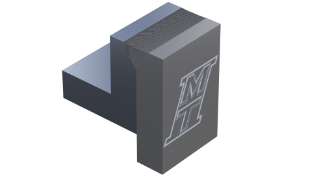
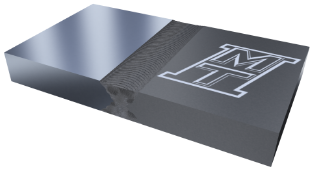
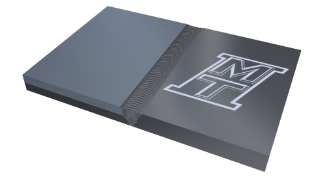
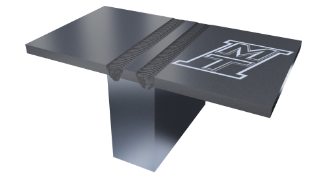
Browse our catalog of sample friction welded parts to see how MTI supports dissimilar metal welding across a wide range of geometries, materials, and production requirements. From bimetallic components to complex welding applications for stainless steels, copper, aluminum, and carbon steels, these examples can help you explore what may be possible for your next part innovation.

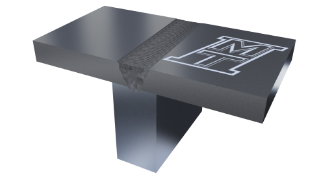
Any Shape to Plate
Any Shape to Plate
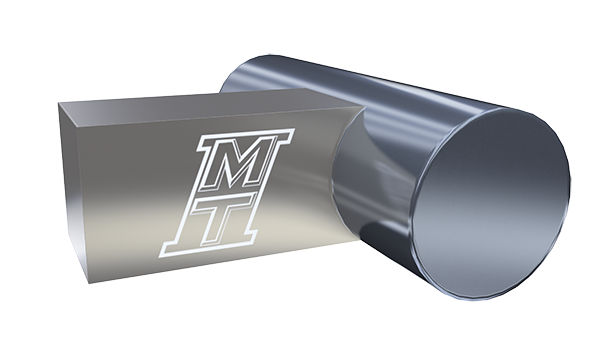
Concave to Round
Concave to Round
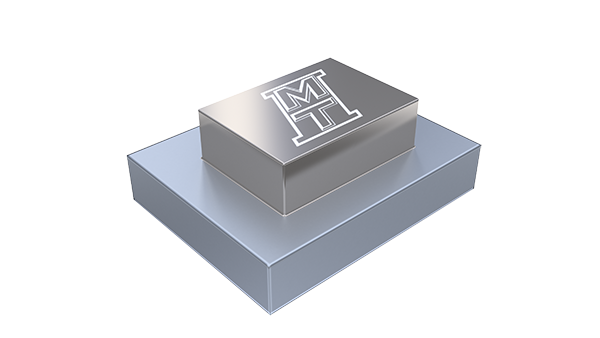
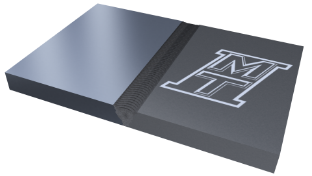
Plate to Plate
Plate to Plate
Round to Square
Round to Square
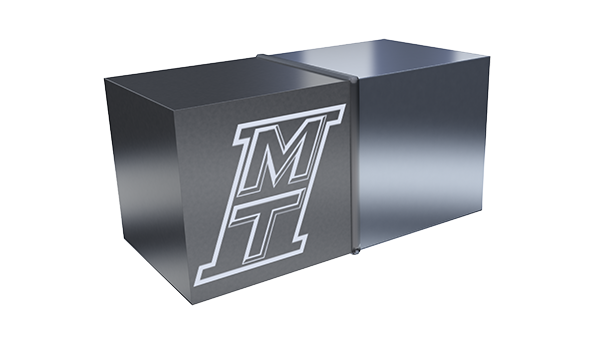
Square to Square
Square to Square
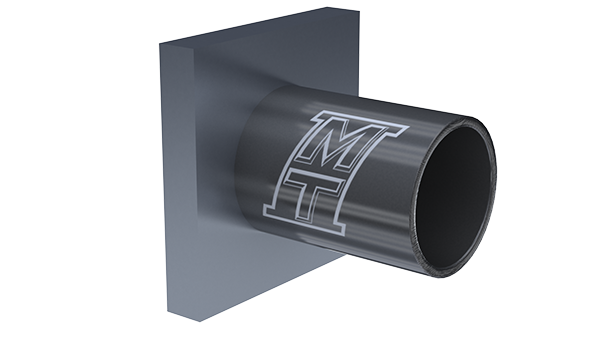
Tube to Plate
Tube to Plate
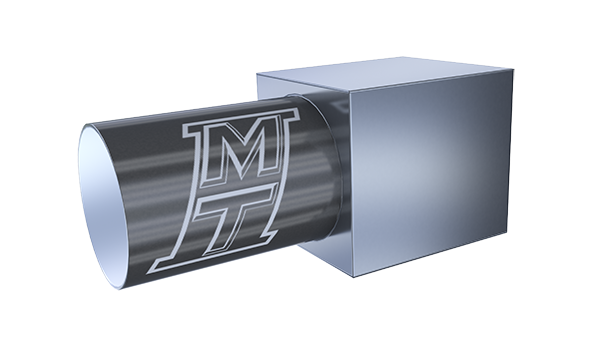
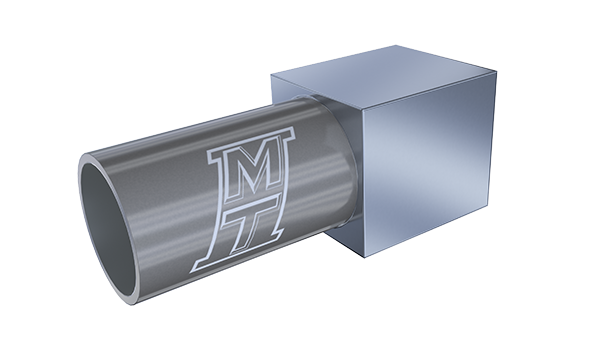
Tube to Square
Tube to Square
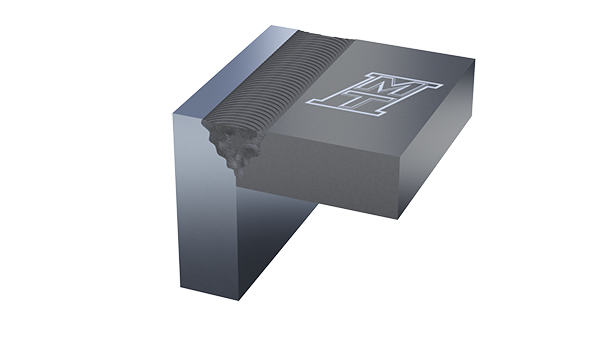
L Outside Weld
L Outside Weld
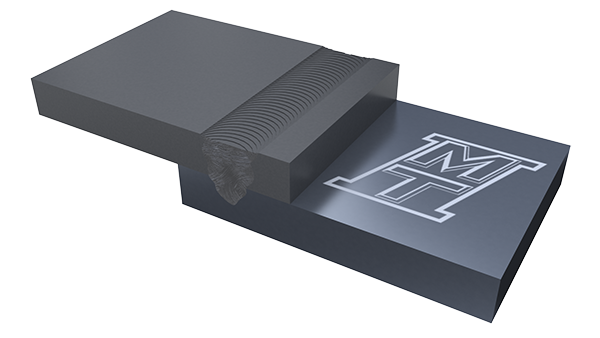
Lap Weld
Lap Weld
Flange Weld
Flange Weld
Dual Butt Weld
Dual Butt Weld
Butt Laminate
Butt Laminate
Butt Weld
Butt Weld
Butt Weld
Butt Weld
Butt Weld
Butt Weld

Friction Welding Technologies for Joining Dissimilar Metals

Discover friction welding technologies designed to help manufacturers improve cost efficiency, production performance, and part innovation when joining dissimilar metals.

 Rotary Friction Welding

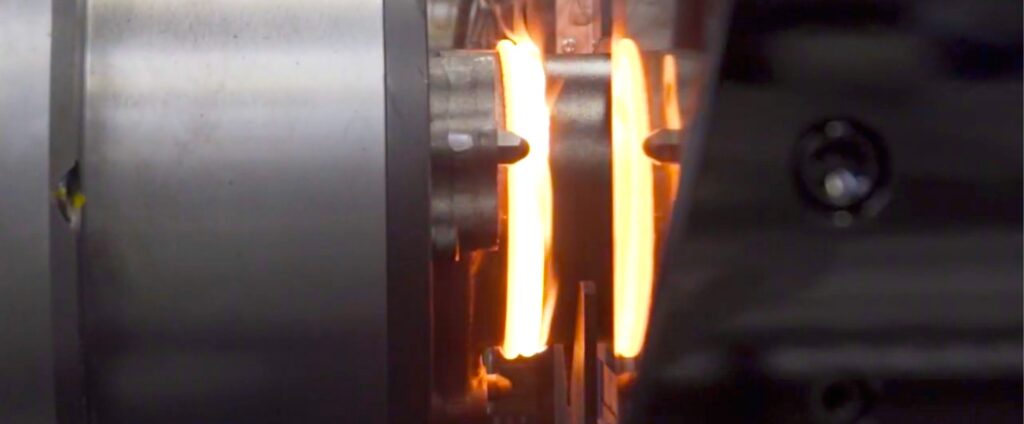
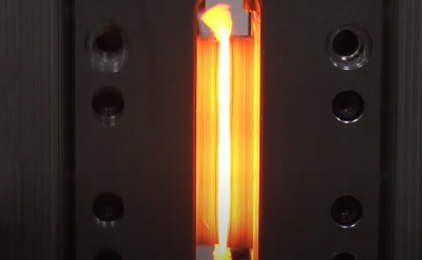
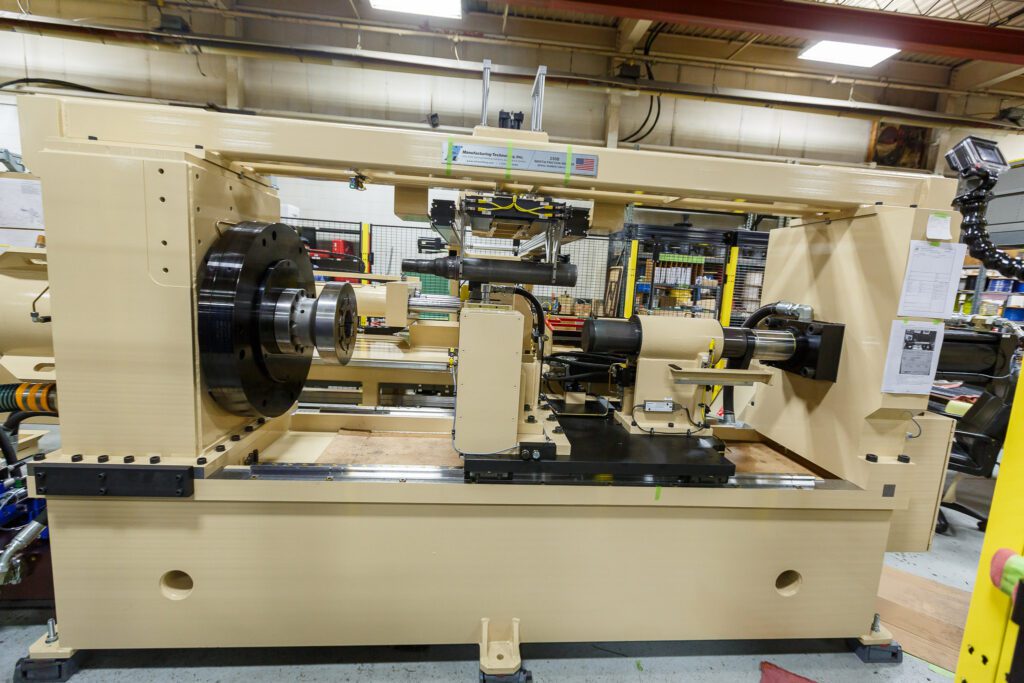
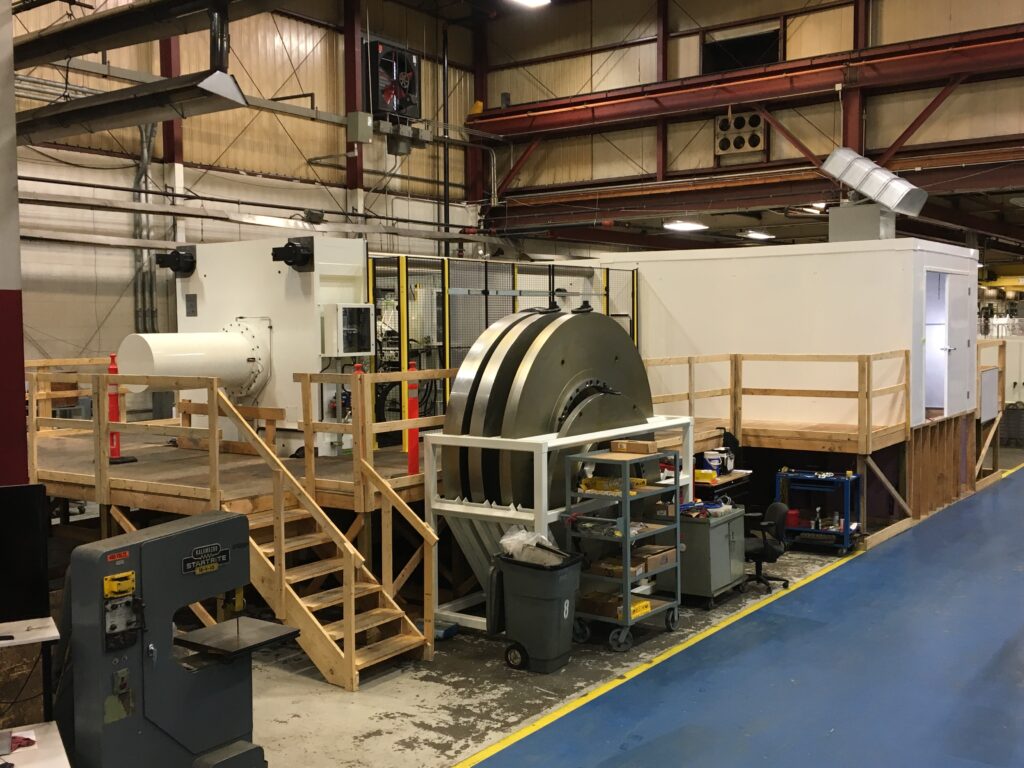
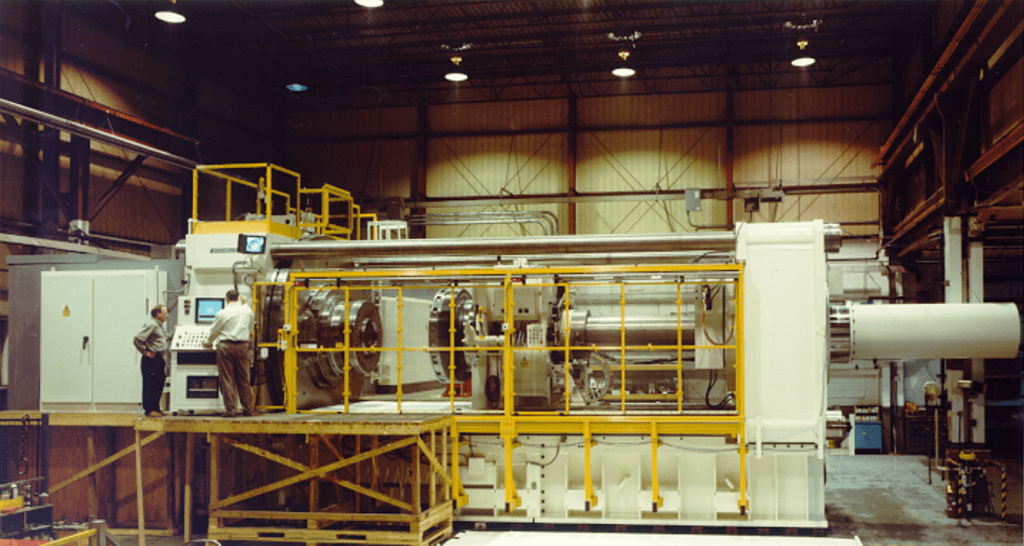
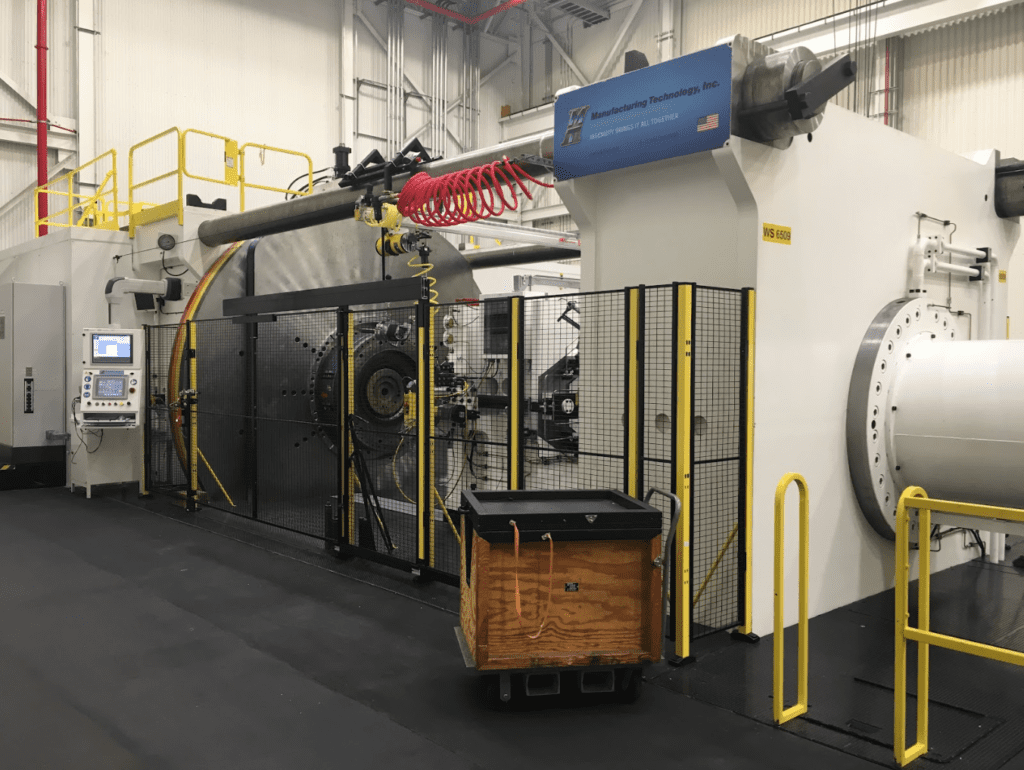
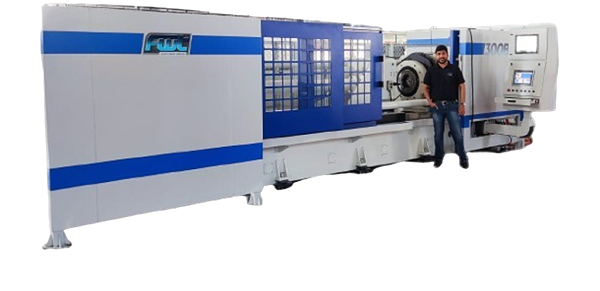
Rotary Friction Welding (RFW) is a solid-state joining process that rotates one parent material at high speed while it is held in contact with a stationary parent material, which is vital for bi-metallic welding including for engine valves. Through MTI’s contract manufacturing services, you have access to more than 15 in-house Rotary Friction Welding machines, including one of the world’s largest inertia-controlled friction welders.

Rotary Friction Welding at work.
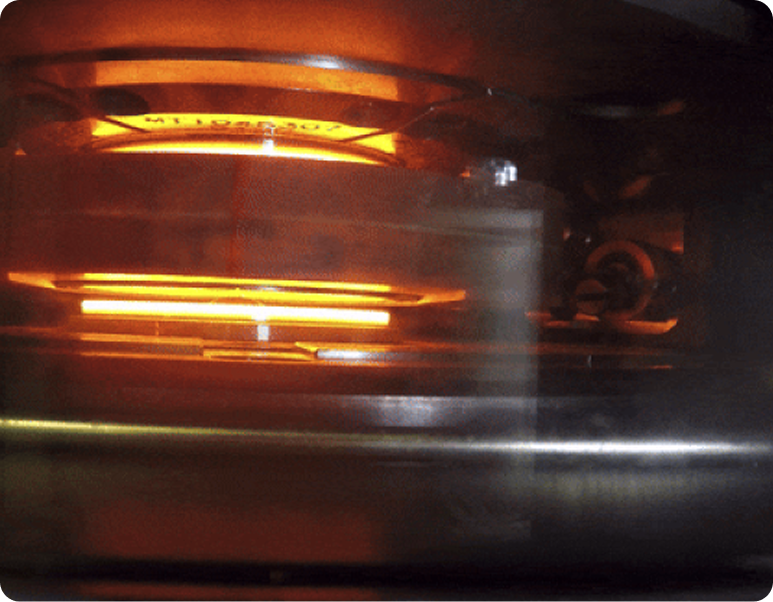
low force friction welding

Low Force Friction Welding

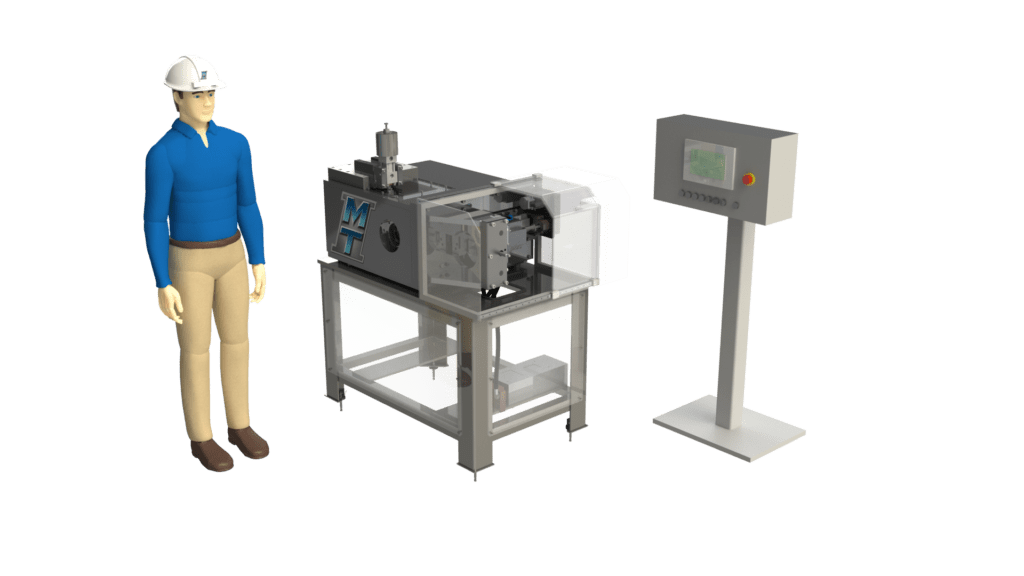
Low Force Friction Welding enables biased heating to account for differences in parent-material yield strengths at elevated temperatures. Because heat and motion are controlled separately, Low Force Friction Welding allows for controlled cooling rates and machine-applied post-weld heat treatments for advanced bimetallic welding applications.

Linear Friction Welding

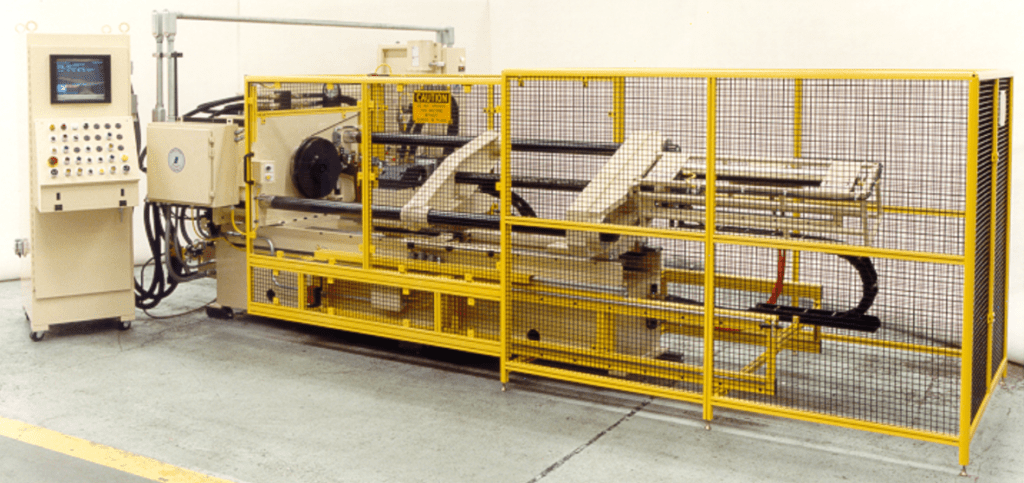
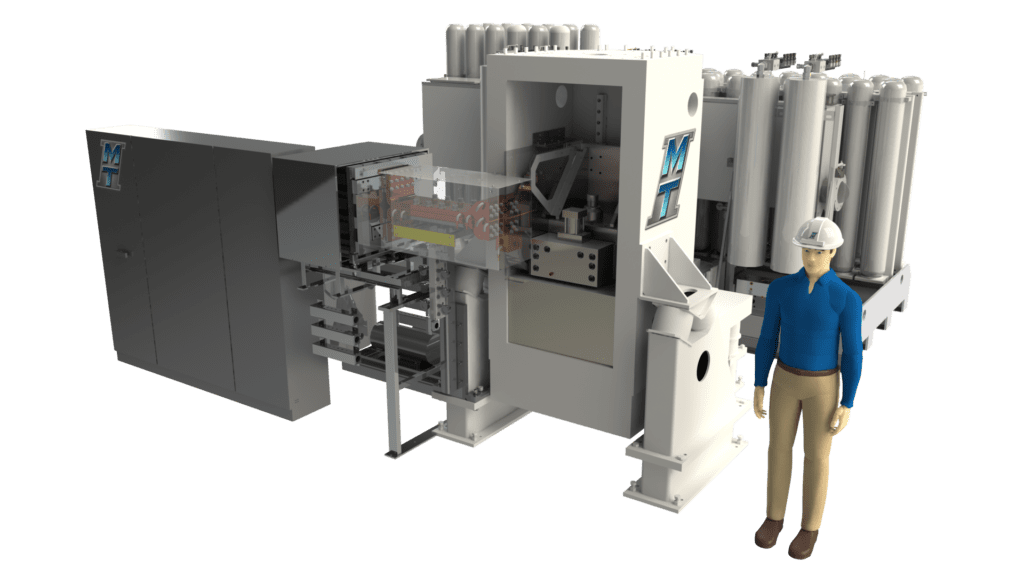
Linear Friction Welding (LFW) is the process of joining two metals by moving a parent material in a linear motion against a stationary parent material to create a solid-state bond. With MTI’s contract manufacturing services, customers have access to one of North America’s largest Linear Friction Welding machines, enabling the development and production of full-size parts for demanding applications.

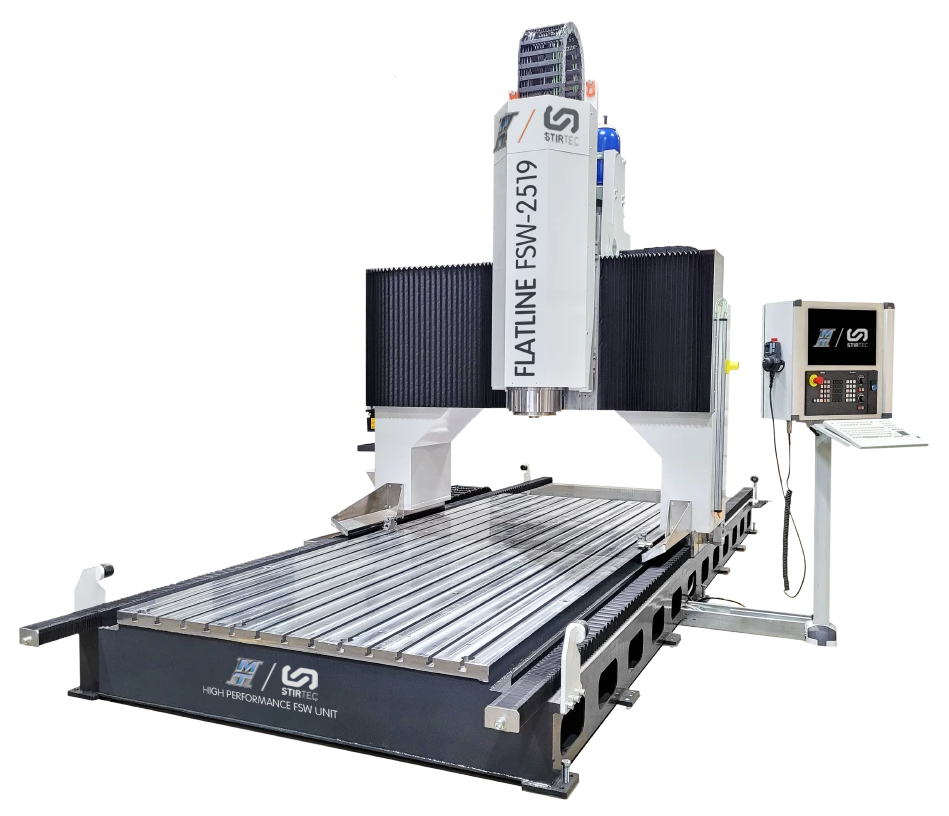
Friction stir welding

Friction Stir Welding

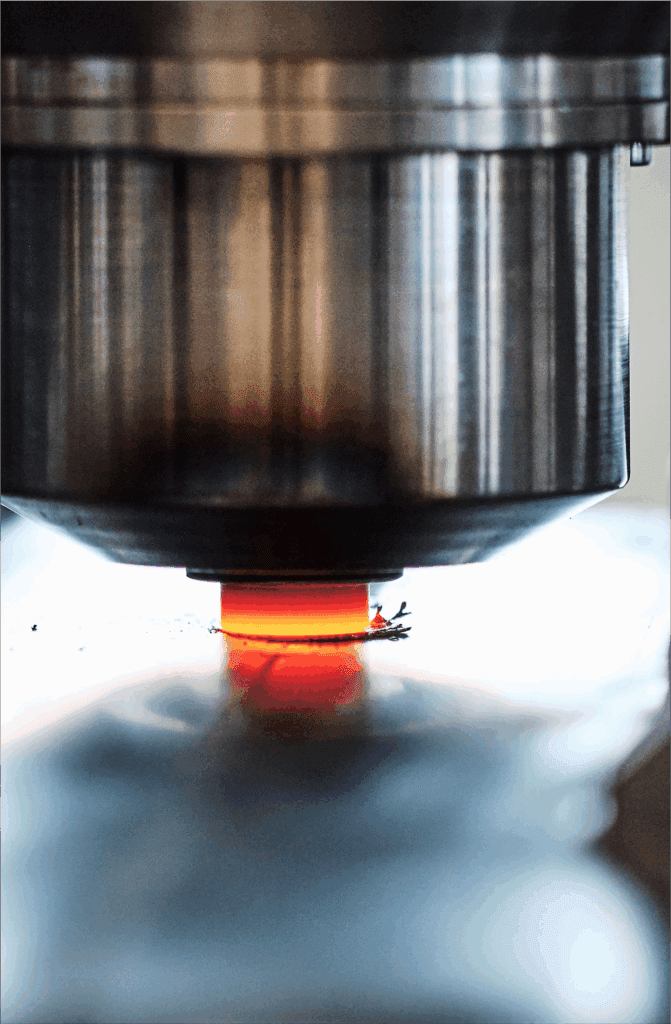
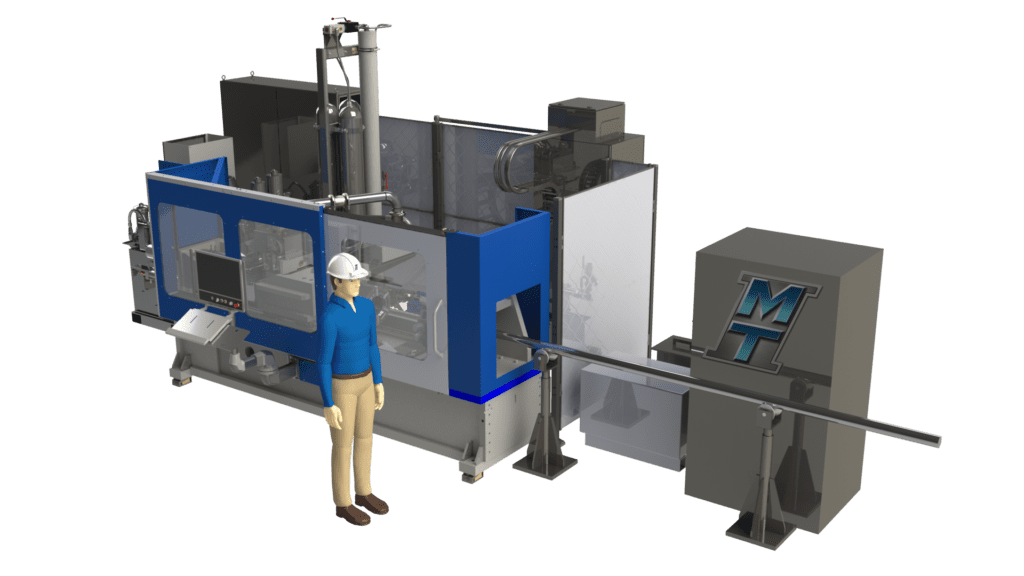
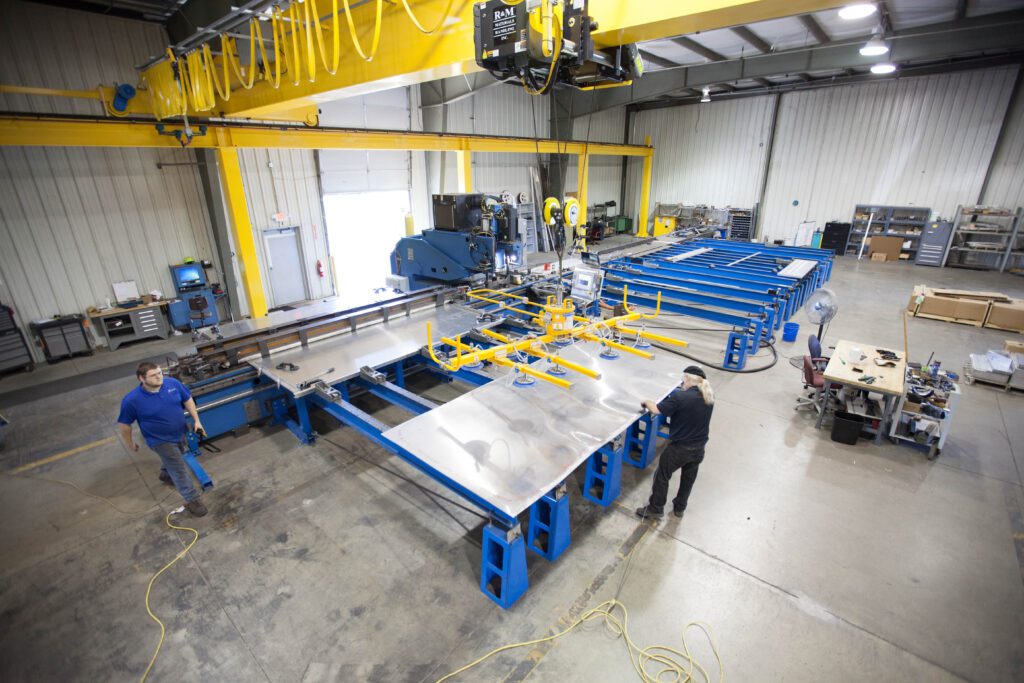
Friction stir welding (FSW) is a solid-state joining process that uses a rotating pin tool to generate frictional heat between materials without melting them. The tool plasticizes and stirs the material, producing high-strength, low-distortion, leak-tight welds. Commonly used in aerospace, transportation, thermal management, and electric vehicle applications, MTI’s contract manufacturing services provide access to advanced FSW equipment, process development expertise, and production capabilities.

Through our partnership with STIRTEC, MTI combines proven manufacturing and machine expertise with advanced FSW process technology and application development capabilities, helping customers accelerate the path from concept to production.

Acquire Friction Welding Machines for Your Research and Assembly

If you’re looking for the best friction welding machine for dissimilar metals, look no further. We don’t only offer contract manufacturing services; we also build standard and custom friction welding machines for your laboratory and production needs.

ALL MAINSTREAM AEROSPACE ENGINE MANUFACTURERS UTILIZE & TRUST MTI-BUILT FRICTION WELDERS FOR THEIR CRITICAL COMPONENTS

MANUFACTURERS UTILIZE & TRUST MTI-BUILT FRICTION WELDERS FOR THEIR CRITICAL COMPONENTS

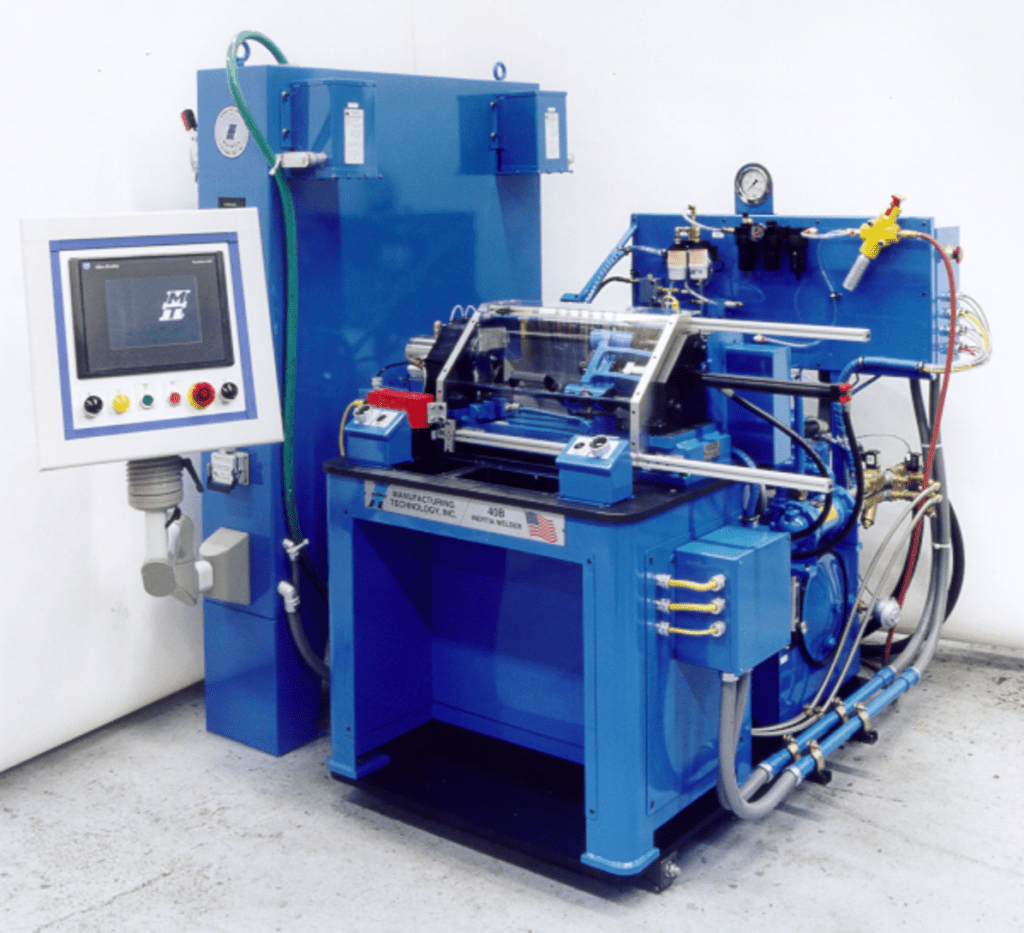
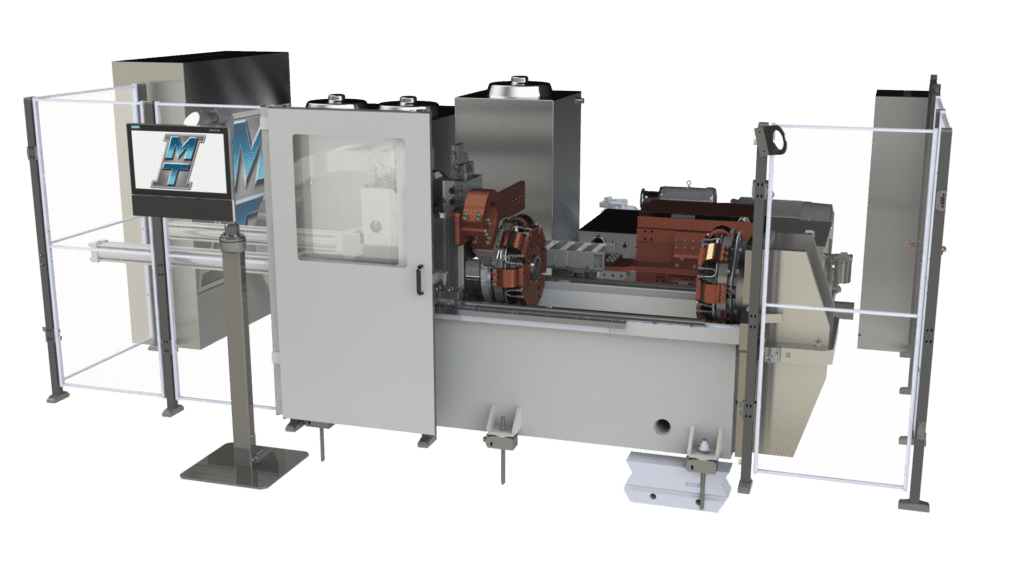
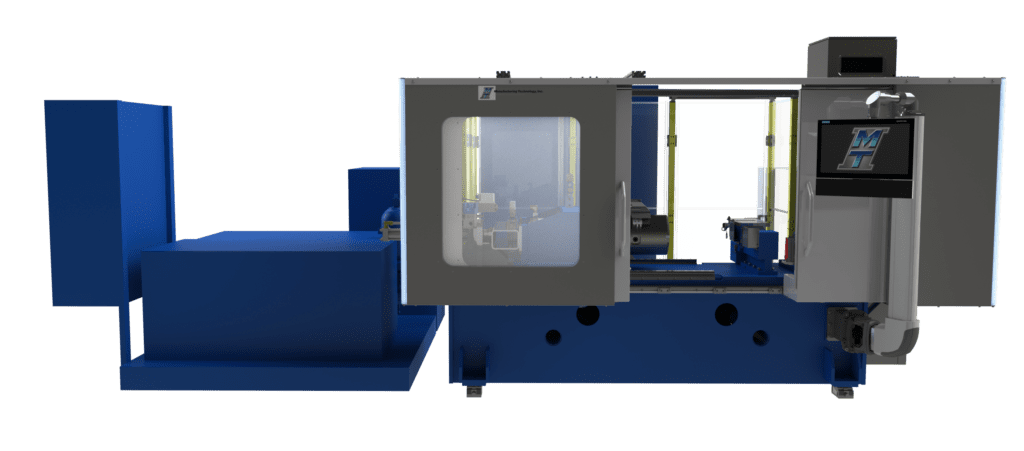
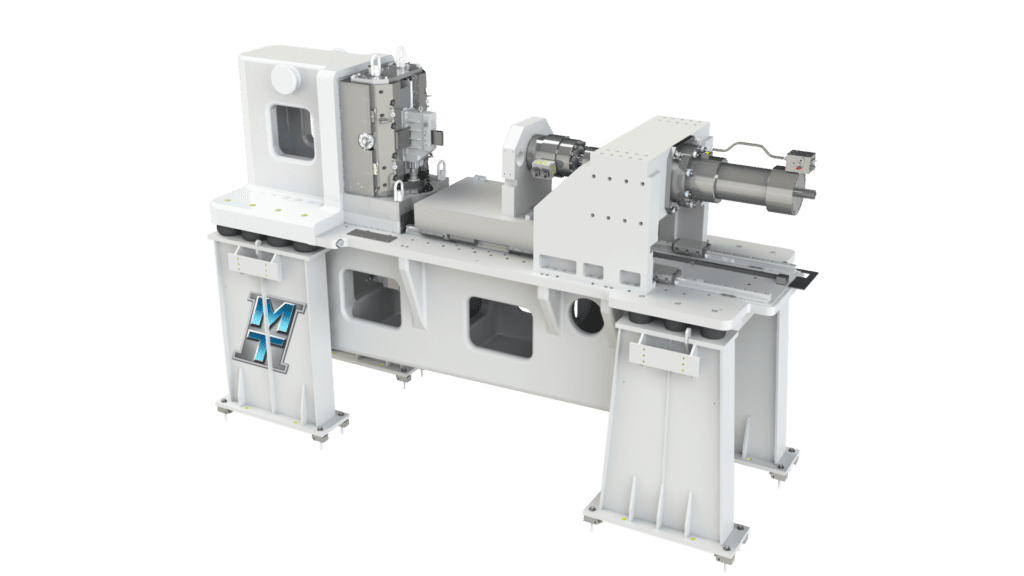
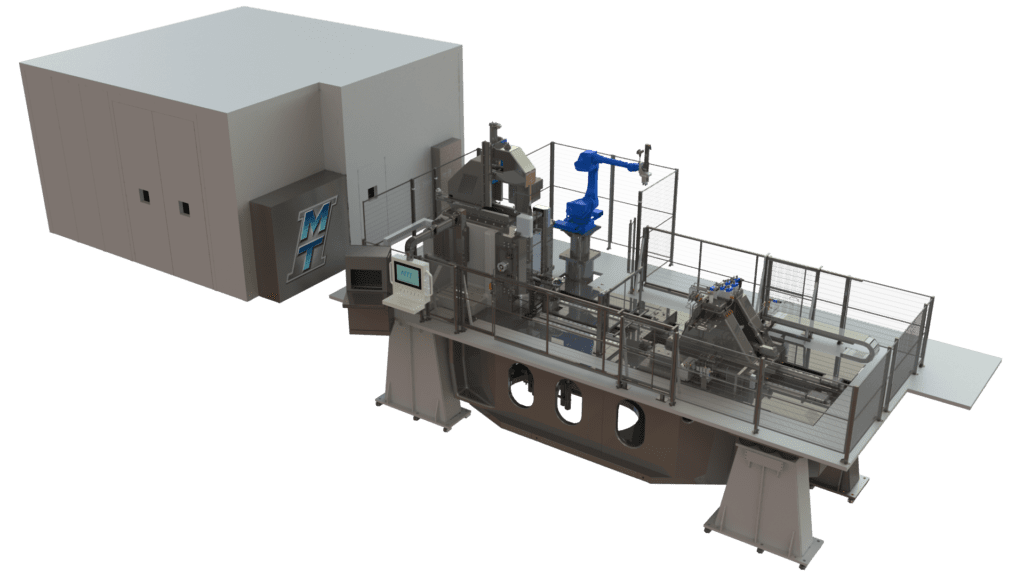
40B/V Rotary Friction Welder

60B/V Rotary Friction Welder

90B/BX/V Rotary Friction Welder

120B/BX/V/T Rotary Friction Welder

150B/BX/T Rotary Friction Welder

180B/BX/V/T Rotary Friction Welder

220B/BX Rotary Friction Welder

250B/BX Rotary Friction Welder

300B/BX Rotary Friction Welder

320BX Rotary Friction Welder

400B/BX Rotary Friction Welder

480B Rotary Friction Welder

480S Rotary Friction Welder

800/2000B Rotary Friction Welder

800/2000S Rotary Friction Welder

Going Above and Beyond on Industrial Safety and Quality

When your dissimilar metal welding project requires safety, quality, and process control, MTI is equipped to deliver.

Our internally recognized accreditations and decades of experience allow us to meet the demand for high-integrity joints, strict quality requirements, and optimized performance in sensitive industrial environments.

Industries that Benefit From Welded Dissimilar Metals

Welding dissimilar metals offers advantages such as lightweight parts and more durable components in aerospace, automotive, and other industries.

Explore Possibilities and Get Results With Bi-Metal Welding

Explore cost-efficient, lightweight, and more optimized part samples using friction welding technology. Our dissimilar welding service helps you push the limits of part performance in your next innovation. Talk with a friction welding expert today for a broader horizon of possibilities.

Frequently Asked Questions

No. Friction welding does not require filler metal when joining dissimilar metals. Because it is a solid-state joining process, the parent materials are plasticized rather than melted, helping reduce the shrinkage stresses commonly associated with traditional fusion welding.
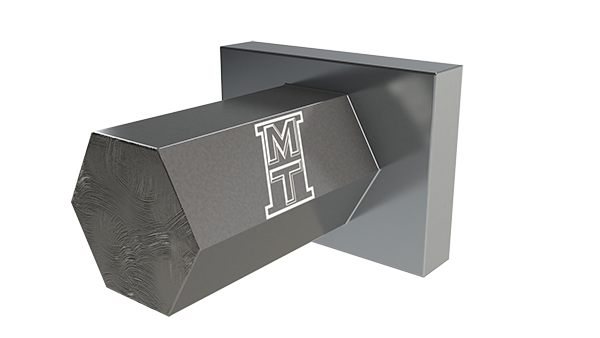
Yes. Stainless steel can be joined with other metals and alloys through friction welding, depending on the material combination and application requirements. This solid-state process allows manufacturers to leverage the performance properties of different dissimilar materials in a single component.
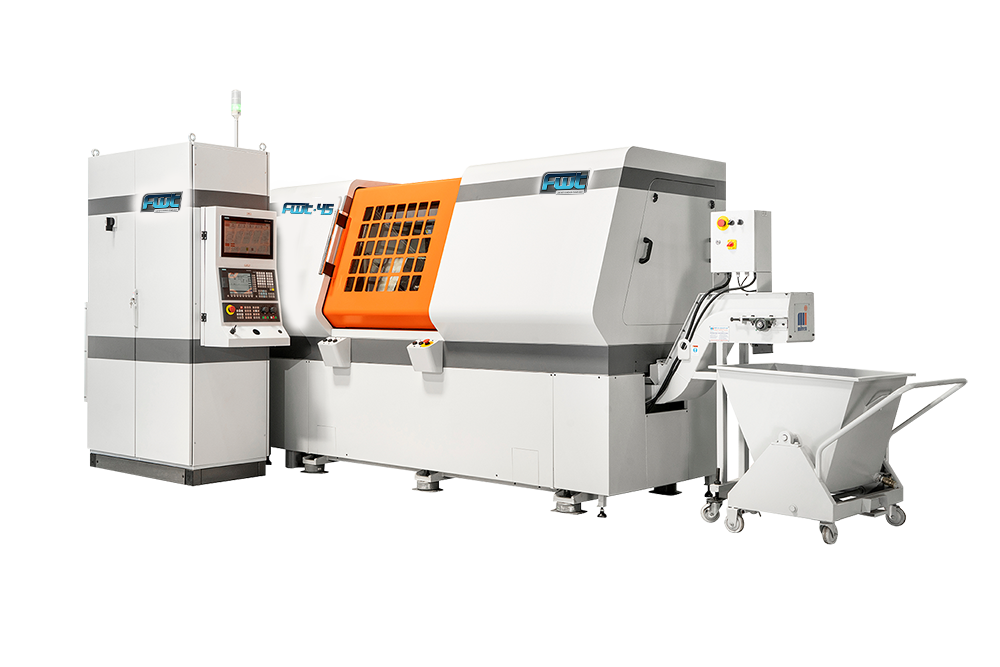
Yes. Low Force friction welding technology enables biased heating to accommodate metals and alloys with different yield strengths at elevated temperatures. This makes it possible to explore dissimilar welding applications where one material may respond differently to heat and force than the other.

Traditional welding methods, such as fusion welding, laser welding, electron beam welding, and diffusion welding, often rely on melting, filler material, or extensive heat input to join metals. Friction welding uses heat generated through controlled motion and force to plasticize the parent materials and create a high-integrity solid-state bond without melting the base metals. View our “Why Friction Welding Over Other Processes” to learn more.

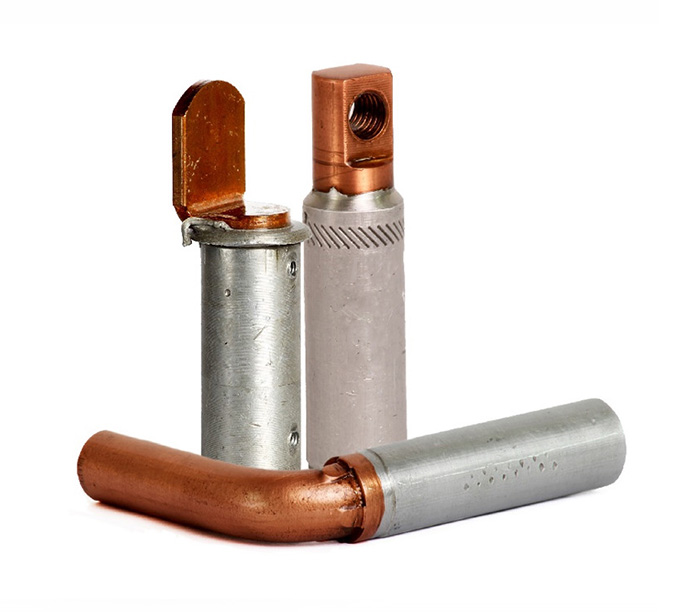
Common dissimilar metal combinations for friction welding can include steel-to-inconel, aluminum-to-copper, stainless steel-to-high-strength steel, and galvanized steel-to-other steels. MTI’s contract friction welding teams can help evaluate your materials, test your application, and determine whether friction welding is the right process for joining your dissimilar metals.

Scroll to Top