Join us at IMTS in Chicago, September 14-19
Booth #135314

Join us at InnoTrans in Berlin, September 22-25
Hall 8.2, Booth #445

Stainless Steel Friction Welding

Making Your Stainless Steel Parts Feasible

Weld Stainless Steel Without Filler Metal

Stainless steel is known for its high corrosion resistance, strength, and durability. However, welding dissimilar metals is challenging and often requires filler metals to prevent cracking and warping. Here is how our dissimilar metal welding services can join stainless steel to form error-free joints without filler material.

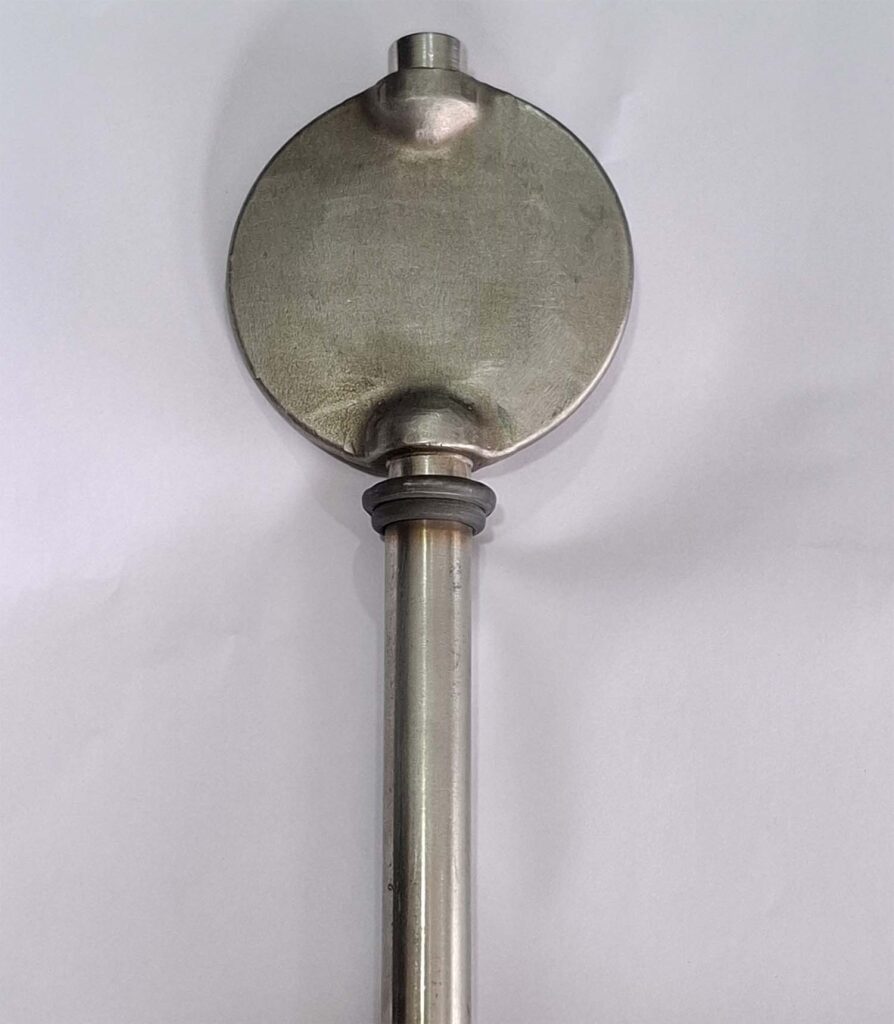
stainless steel butterfly valve

Check Your Material Combination & Geometry

Can Your Application Be Friction Welded?

Bi-Metallic Friction Welding Process for Stainless Steel

Joining stainless steel to dissimilar metals can be challenging with conventional fusion welding due to the low thermal conductivity of stainless steel. Stainless steel retains heat near the weld zone instead of dissipating it quickly. This concentrated heat can increase the risk of warping, distortion, and inconsistent mechanical properties.

How Friction Welding Solves Stainless Steel Bi-Metallic Joining Challenges

Stainless steel friction welding joins stainless steel to compatible dissimilar materials without melting the parent metals:

  • Step 1: Friction: Depending on the friction welding technology, the components may be rotated, oscillated, translated, or stirred to generate controlled frictional heat at the joint interface.
  • Step 2: Plasticization & Pressure: Once the materials reach a plasticized state, axial pressure forces them together, creating a high-integrity bond with consistent mechanical properties.

Because friction welding is a solid-state welding process, it helps limit heat input, distortion, heat tint, and other problems associated with fusion welding, all without requiring filler metal or other consumables.

FSW Materials

Can Aluminum and Stainless Steel Be Welded Together?

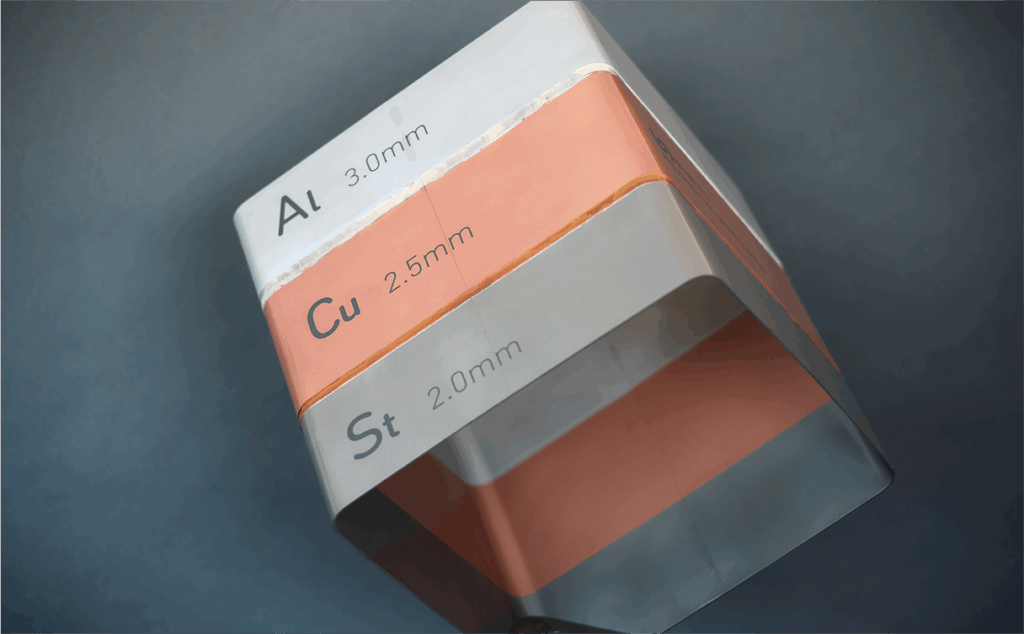
Aluminum and stainless steel have significantly different melting points, thermal expansion rates, and material properties. When joined through conventional fusion welding, these differences can promote brittle intermetallic formation, cracking, distortion, and inconsistent joint performance.

However, friction welding aluminum and stainless steel is possible for many applications. Because friction welding is a solid-state pressure welding process, the materials are joined below their melting temperatures, helping reduce the problems associated with traditional fusion welding.

Combining aluminum’s low weight and thermal conductivity with stainless steel’s strength and corrosion resistance allows engineers to place each material where it delivers the greatest value. Common applications for friction welding stainless steel to aluminum include:

  • Shipbuilding: Aluminum superstructures and hull sections joined to stainless steel or steel transition components for strength, corrosion resistance, and weight reduction.
  • Aerospace and Cryogenic Systems: Lightweight aluminum piping or tanks connected to stainless steel fittings, flanges, and structural supports.
  • Automotive Manufacturing: Stainless steel or steel support frames joined to aluminum body panels and lightweight structural components.

MTI’s friction welding experts can evaluate your materials, component geometry, and welding parameters to determine the most effective process for welding aluminum to stainless steel.
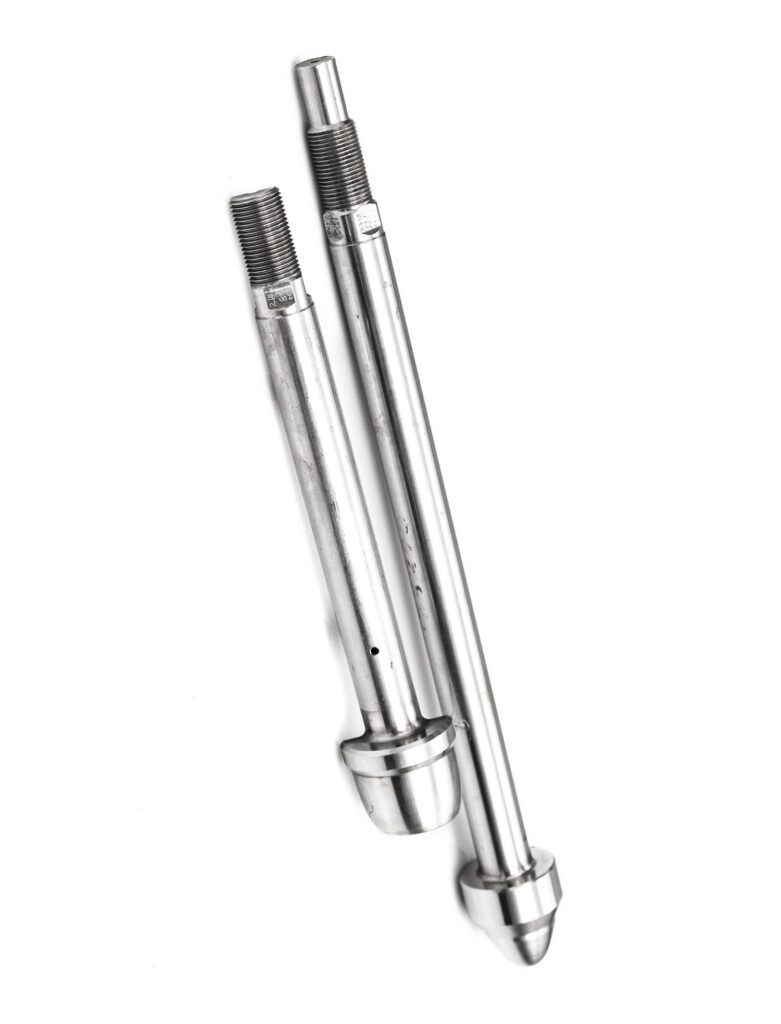
Friction Welding Advantages for Stainless Steel Applications

Stainless steel friction welding helps preserve the strength, durability, corrosion resistance, and design flexibility that make stainless steel valuable in demanding manufacturing applications. 

Manufacturers can benefit from the following advantages:

  • Cost-Efficient Components: Shorten the welding process, reduce joint preparation, and eliminate the need for filler metal and other consumables in many applications.
  • Lightweighting Opportunities: Achieve error-free aluminum and stainless steel welding for lightweight parts. This retains strength, durability, and corrosion resistance where they are needed most.
  • Greater Design Flexibility: Expand component design possibilities by combining stainless steel with compatible dissimilar materials that provide complementary mechanical, thermal, or corrosion-resistant properties.
  • More Durable Components: Use machine-controlled welding parameters to produce repeatable, high-integrity joints with reliable mechanical performance across production volumes.

Get Project Results With MTI’s Contract Manufacturing Services

From equipment manufacturing to contract production services, MTI supports every stage of your stainless steel component project. Our global Contract Manufacturing teams provide expertise from initial concept and weld development through inspection and full-scale production.

With in-house friction welding machines, weld development support, and integrated pre-weld and post-weld services, MTI provides a streamlined manufacturing process without relying on multiple third-party suppliers.

Our friction welding experts collaborate with your team to evaluate materials, refine part design, establish welding parameters, and manufacture high-integrity components for demanding applications.

Learn more about our Rotary friction Contract Welding services

 MTI Client Testimonials

MTI had such a strong command and understanding of the specific problems that needed to be solved, and proved to be a valuable partner we could rely on.

-Emmett Hassen,
Sr. Manager, Supply Chain Program Management Rivian

Evolve Your Parts With Our Catalog

Browse MTI’s friction welded parts catalog for real-world examples of component geometries and dissimilar material combinations that can inspire your next manufacturing solution.

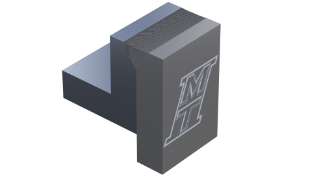
Any Shape to Plate
Any Shape to Plate
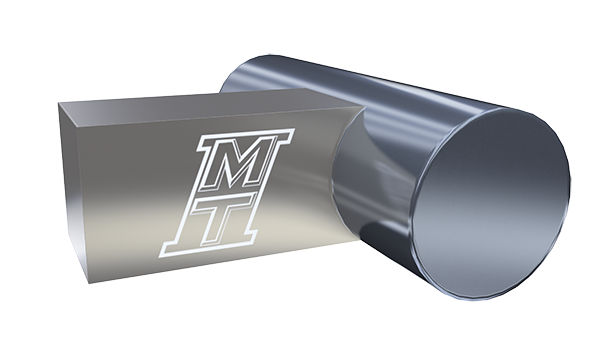
Concave to Round
Concave to Round
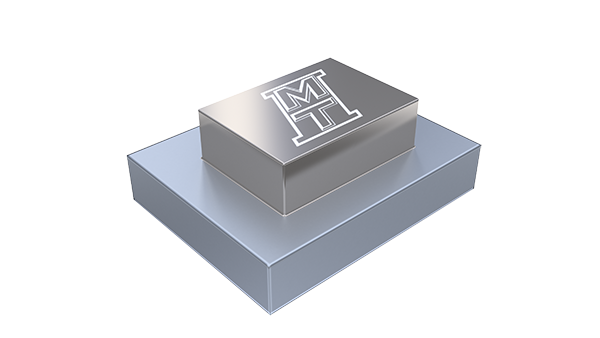
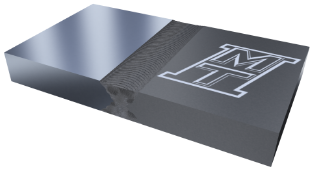
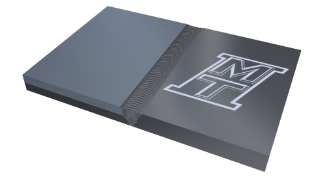
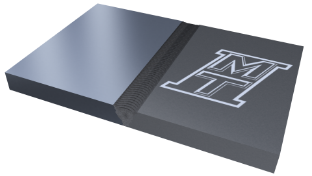
Plate to Plate
Plate to Plate
Round to Square
Round to Square
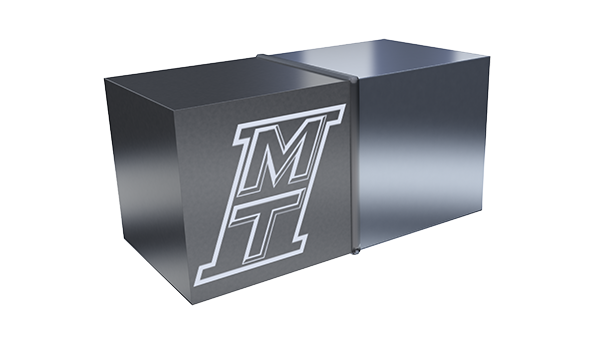
Square to Square
Square to Square
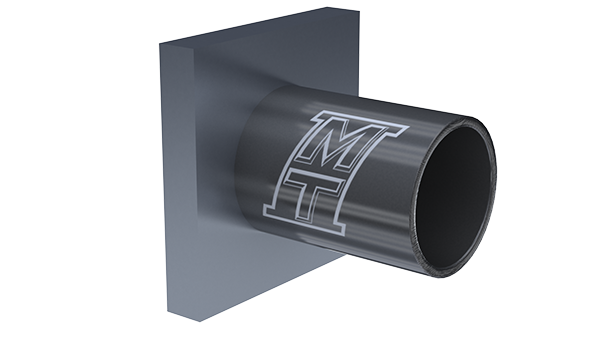
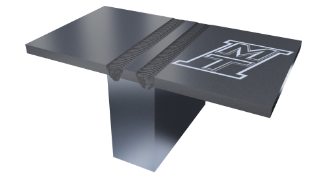
Tube to Plate
Tube to Plate
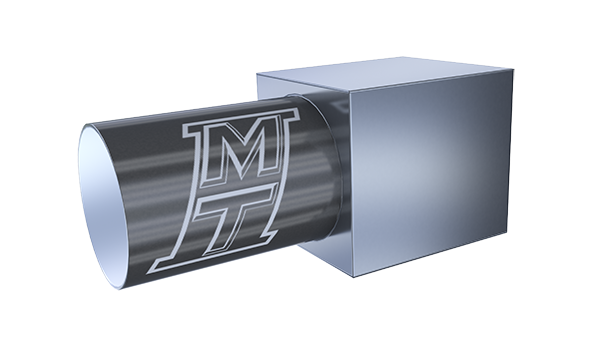
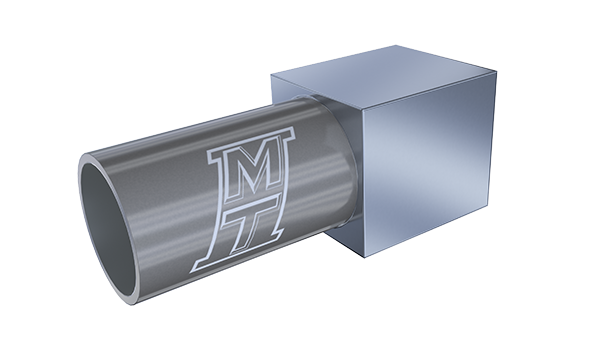
Tube to Square
Tube to Square
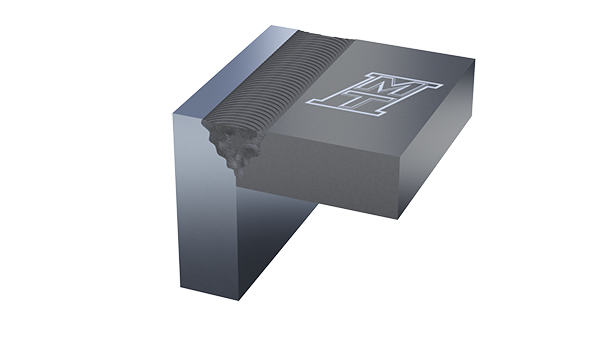
L Outside Weld
L Outside Weld
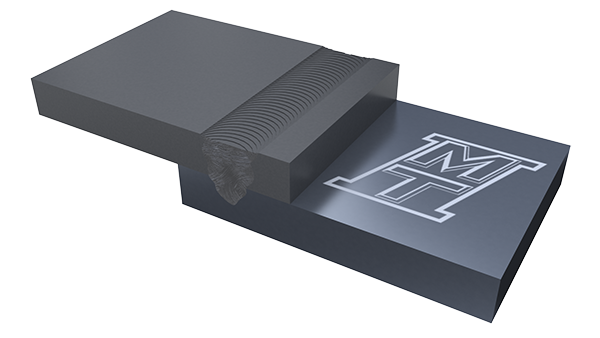
Lap Weld
Lap Weld
Flange Weld
Flange Weld
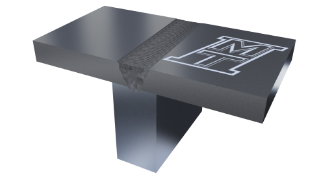
Dual Butt Weld
Dual Butt Weld
Butt Laminate
Butt Laminate
Butt Weld
Butt Weld
Butt Weld
Butt Weld
Butt Weld
Butt Weld

Friction Welding Technologies

Friction welding technologies differ by the methods used to produce heat and friction. See their processes below to discover which ones most align with your needs.

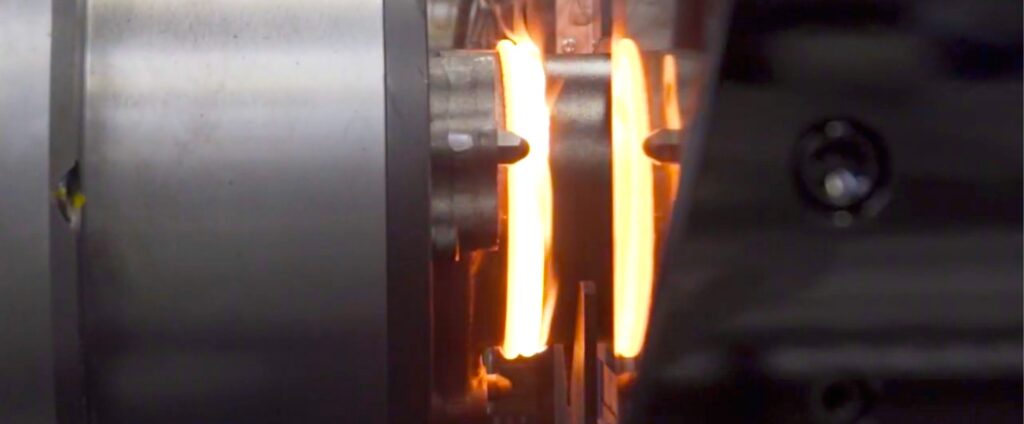
 Rotary Friction Welding

Rotary Friction Welding rotates one component at high speed against a stationary component, generating heat through friction at the joint interface. Once the materials reach a plasticized state, controlled axial pressure completes the weld without melting the base metals. This is one of the technologies often used for aluminum and stainless steel welding.

Through MTI’s Contract Manufacturing facilities, you can access more than 15 in-house Rotary Friction Welding machines, including one of the world’s largest inertia-controlled friction welders.

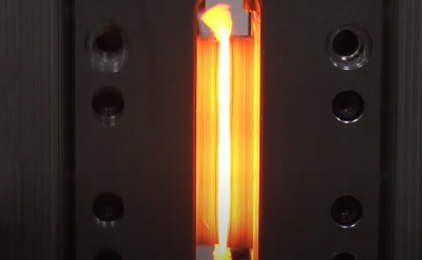
Rotary Friction Welding at work.
low force friction welding

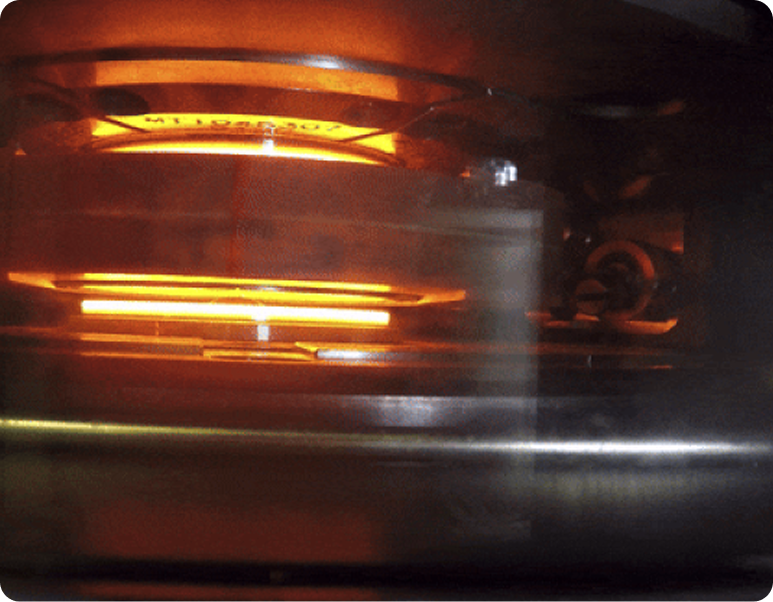
Low Force Friction Welding

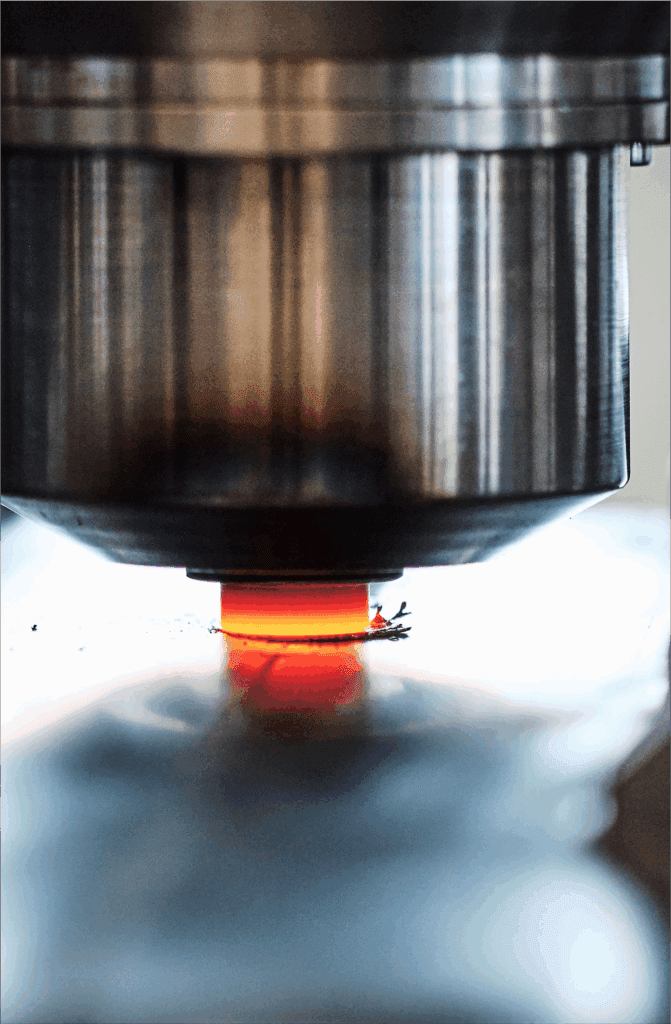
Low Force Friction Welding uses external heating to raise the temperature at the joint interface, followed by controlled motion and axial pressure to complete the weld. Because the materials are already heated, lower forging forces are required than with traditional friction welding.

With MTI’s Weld Development 2.0 services, you can compare joints produced through traditional and Low Force Friction Welding to determine which process delivers the best mechanical properties, welding parameters, and manufacturing results for your application.

Linear Friction Welding

When you weld stainless steel to aluminum or other metals and alloys using Linear Friction Welding, one component moves in a controlled linear motion against a stationary component. Friction generates heat at the joint interface, and axial pressure consolidates the plasticized materials into a high-integrity bond.

Through MTI’s Contract Manufacturing services, you can access one of the world’s largest Linear Friction Welding machines for the development and production of full-scale components.

Friction stir welding

Friction Stir Welding

Friction Stir Welding stainless steel uses a rotating pin tool that travels along the joint line, softening and mechanically stirring the materials together without melting them. The process can create strong, consistent, and potentially watertight joints for demanding EV, nuclear, aerospace, automotive, and other manufacturing applications.

Explore the capabilities of Friction Stir Welding with MTI’s contract manufacturing services. Evaluate your application on production-capable friction stir welding equipment backed by MTI’s manufacturing expertise and STIRTEC’s advanced process technology.

Stainless Steel Friction Welding is Vital to a Range of Industries

Stainless steel friction welding creates new opportunities across industries that require strong, corrosion-resistant, and precisely manufactured components. By joining stainless steel to similar or compatible dissimilar materials, manufacturers can improve production efficiency, control material costs, maintain consistent quality, and optimize part performance for demanding applications.

Move Forward With Our Dedication to Industrial Excellence

Stainless steel friction welding is often used in applications where safety, quality, and repeatable performance are critical. MTI’s internationally recognized certifications, accreditations, and controlled manufacturing processes help ensure each project is completed in accordance with stringent industry requirements.


Talk to an Expert Today for Stainless Steel Friction Welding Machines or Contract Manufacturing

Stainless steel friction welding helps engineers and manufacturers create high-integrity bimetallic joints where strength, durability, corrosion resistance, and repeatable mechanical performance are critical. Whether you need a friction welding machine or Contract Manufacturing support, MTI can help you evaluate materials, refine welding parameters, validate your process, and move from weld development to production.

Contact our friction welding experts today to explore new possibilities for stainless steel components, dissimilar-metal joints, and advanced manufacturing systems.

Scroll to Top