Friction Welding Copper to Dissimilar Metals
Copper is highly ductile, malleable, and an exceptional electrical conductor. However, it’s difficult to weld copper to dissimilar materials such as aluminum, steel, or stainless steel.
With MTI’s dissimilar metal welding services, you can expand the performance potential of your electrical components while maintaining joint integrity, mechanical properties, and long-term reliability.
Check Your Material Combination & Geometry
Can Your Application Be Friction Welded?
Compatible Welds
|
Not Seeing Your Combination Of Materials?
That doesn’t mean it can’t be done. Many of our material combinations are also proprietary. That’s why several of our customers use MTI’s in-house metallurgy lab, which will test your materials for strength and durability to see if friction welding is the right process for you.
Please note Weld strength is dependent on materials & geometry.
Joint Geometries
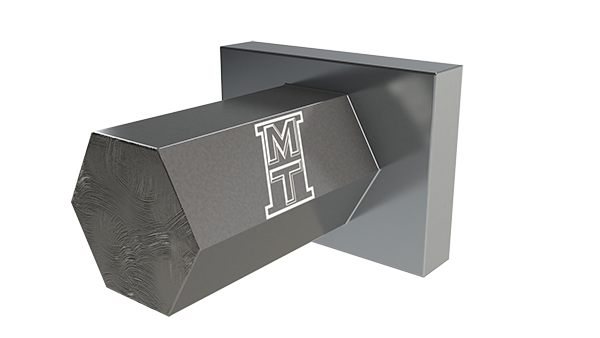
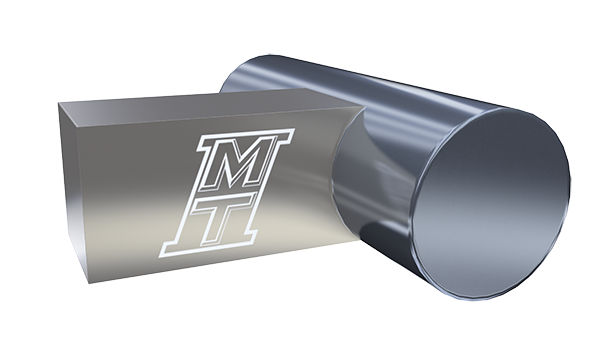
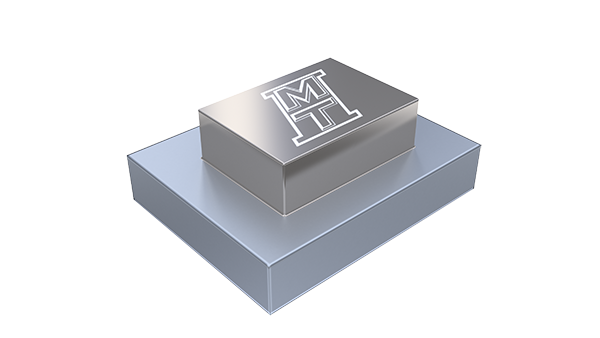
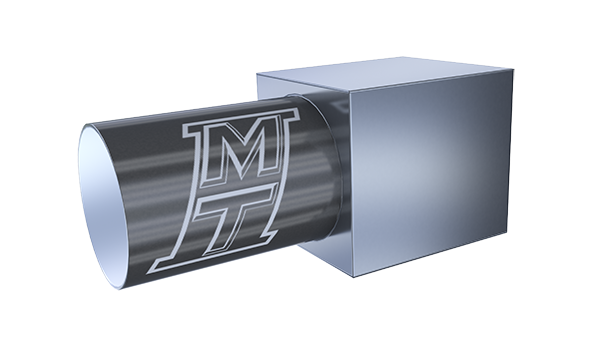
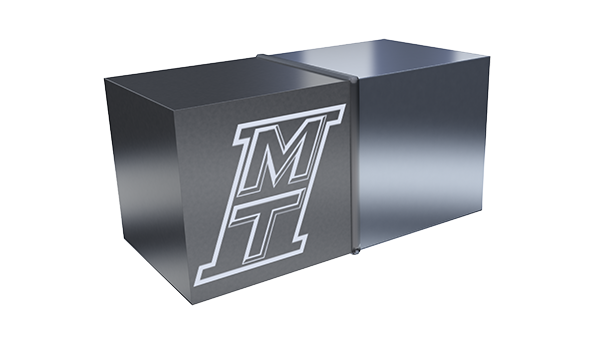
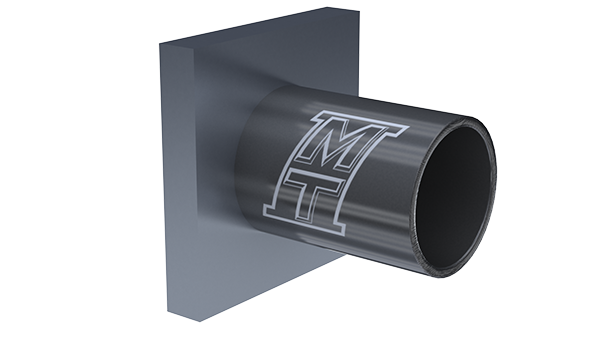
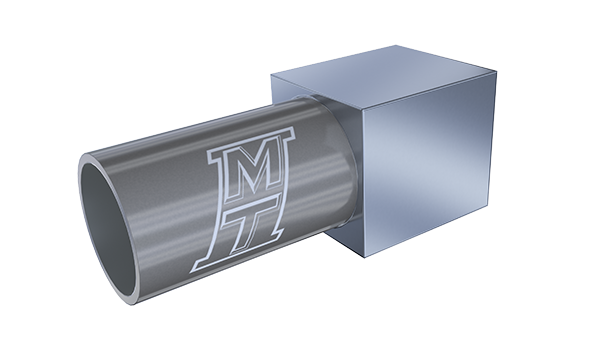
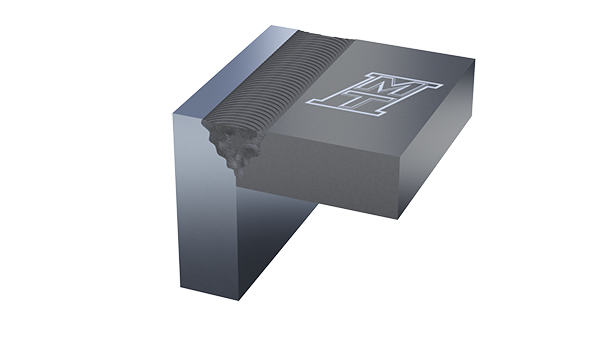
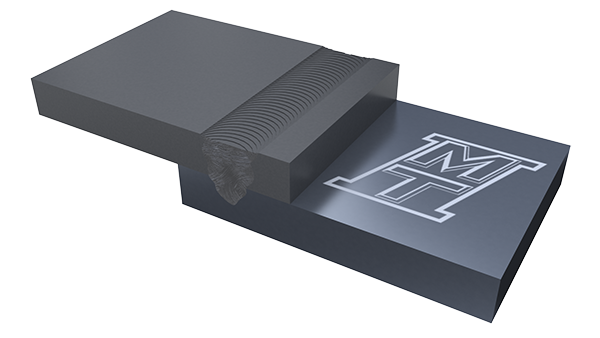
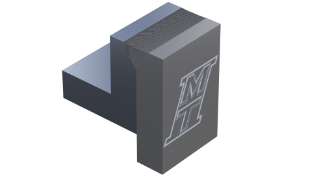
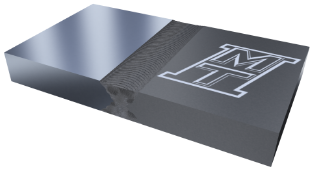
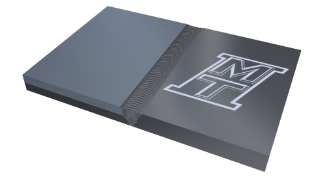
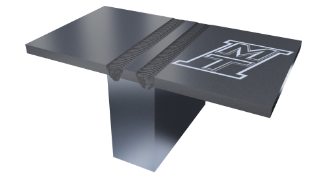
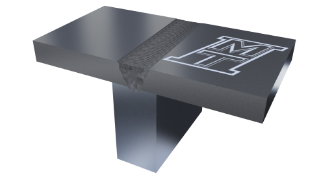
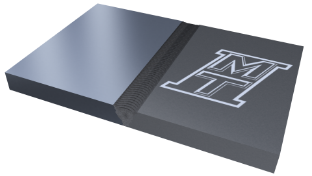
Friction Welding can join a wide range of part geometries
Let’s talk about the specifics of your project:
Copper Friction Welding With Dissimilar Metals
Copper has an extremely high thermal conductivity. In traditional welding methods, the heat required to reach a melting state can quickly transfer through the copper and distort the surrounding material.
With copper friction welding, copper does not need to be melted to form a strong bond with dissimilar materials. Instead, friction welding uses controlled motion, heat, and pressure to create a solid-state joint:
- A friction welding machine generates frictional heat at the interface of two parent materials by moving the copper and a dissimilar metal through friction stir, rotary or linear motion.
- As heat builds at the interface, both parent materials enter a plasticized state without melting.
- A controlled pressure welding process then forges the materials together to create a high-integrity bond.
Through this solid-state joining process, copper can be welded with steel, aluminum, and other metals without difficulty.
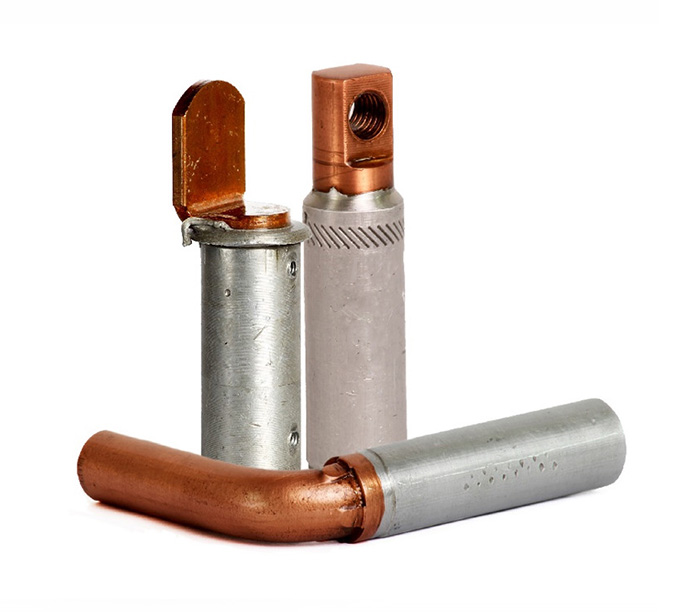
Copper offers excellent electrical conductivity and heat transfer. Aluminum is lightweight and durable. When welded together, they form a component that leverages the properties of both materials.
Friction welding copper to aluminum electrical components is vital for applications where electrical performance, weight reduction, and joint reliability all matter.
Common Applications:
- Lithium battery construction
- Electric vehicle applications
- Aluminum components for electrical assemblies
- Other high-conductivity electrical applications
When copper is joined with steel, the resulting component can combine copper’s excellent electrical and thermal conductivity with steel’s strength and durability. This makes copper-to-steel friction welding a valuable solution for parts that need conductive performance and structural reliability in a single welded joint.
Friction welding copper to steel creates a solid-state bond without melting the base materials, helping protect the mechanical properties of both parent materials.
For applications that require added corrosion resistance, friction welding copper to stainless steel may offer additional performance advantages due to the stainless steel content.
Common Applications:
- Heat-exchanging pipes
- Battery tabs
- Electrical grounding rods
- Bi-metallic transition joints
Why Use Friction Welding for Copper Applications
By joining copper with dissimilar materials such as aluminum, steel, stainless steel, or other compatible alloys, engineers and manufacturers can create components with more advanced part designs.
- Cost-Efficient Joining: Friction welding requires no filler material and minimal joint preparation compared to many traditional welding methods.
- Lightweight Component Design: Copper can be joined with lighter materials such as aluminum when weight reduction is a priority.
- Greater Design Flexibility: Friction welding enables components to be designed around performance, geometry, manufacturability, and application-specific requirements.
- More Durable Components: Because friction welding is a controlled solid-state joining process, it helps create high-integrity bonds without melting the base materials.
From Part Creation to Manufacturing, MTI’s Contract Services Allow You to Experiment with Copper Friction Welding
At MTI, we go beyond designing and building standard or custom friction welding machines. We also provide contract manufacturing services to help develop your copper component from concept through full-scale production.
Our global Contract Friction Welding teams can help evaluate your materials, determine the right welding parameters, and support manufacturing for copper friction welding applications through the following services:
- In-house friction welding machines for weld development and production.
- Weld development support to refine welding parameters, evaluate joint performance, and confirm the right process for your application.
- Integrated pre-weld and post-weld services to support a more complete manufacturing process.
What It’s Like to Partner with MTI
MTI had such a strong command and understanding of the specific problems that needed to be solved, and proved to be a valuable partner we could rely on.
-Emmett Hassen,
Sr. Manager, Supply Chain Program Management Rivian
Experiment with Diverse Geometries
Browse real-world sample parts and geometries to explore what may be possible for your copper friction welding application.
Friction Welding Technologies
There are various ways to join copper to dissimilar metals using different friction welding processes.
Rotary Friction Welding
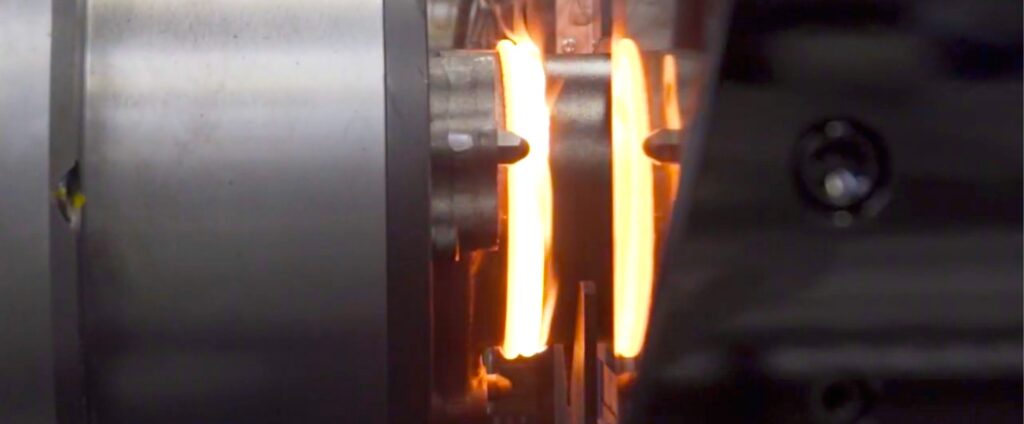
Rotary Friction Welding uses high-speed rotary motion to move one parent material against a stationary material, generating frictional heat at the interface to create a solid-state joint.
What’s Available in Our Contract Manufacturing Services:
You can test and produce RFW applications using more than 15 in-house Rotary Friction Welding machines, including one of the largest inertia-controlled friction welders in the world.
Low Force Friction Welding
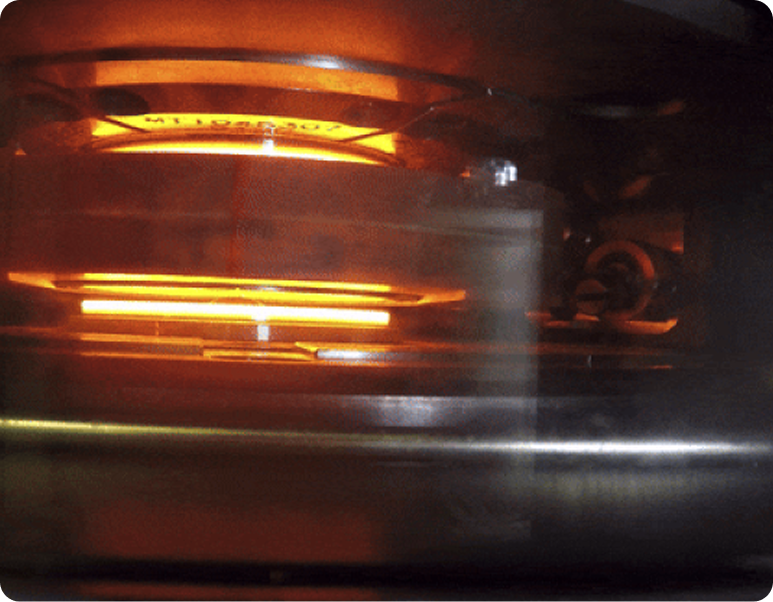
Low Force Friction Welding preheats the interface between the parent materials before rotary or linear motion is applied. Because the interface is preheated, less force is required to forge the materials together, giving manufacturers greater control over heat input, welding parameters, and flash morphology.
What’s Available in Our Contract Manufacturing Services:
Test weld joints with our Weld Development 2.0 services to compare traditional friction welding and Low Force friction welding and determine the superior method for your copper component. With only four Low Force R&D machines available, spots are limited, so reach out early to reserve your testing window.
Linear Friction Welding
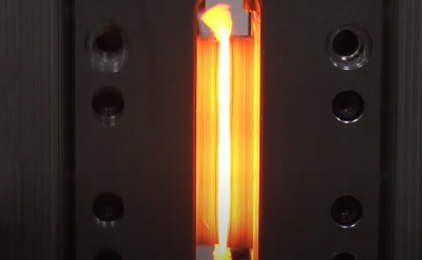
Linear Friction Welding uses controlled linear motion to generate frictional heat between a moving component and a stationary parent material, creating a strong, high-quality joint.
What’s Available in Our Contract Manufacturing Services:
Access North America’s largest Linear Friction Welding machines to test and produce full-scale parts for demanding industrial applications.
Friction Stir Welding
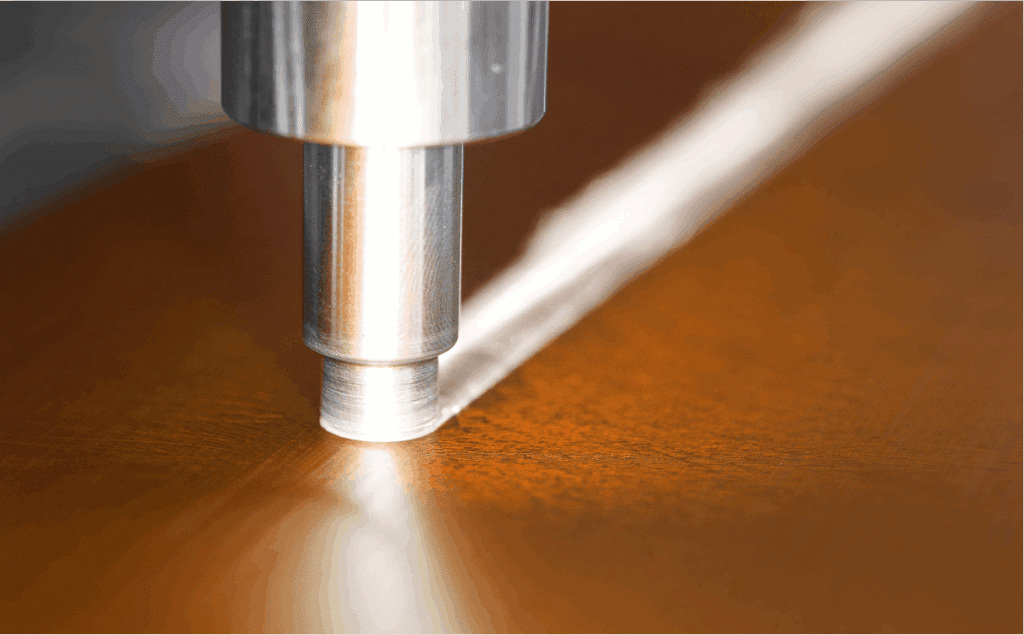
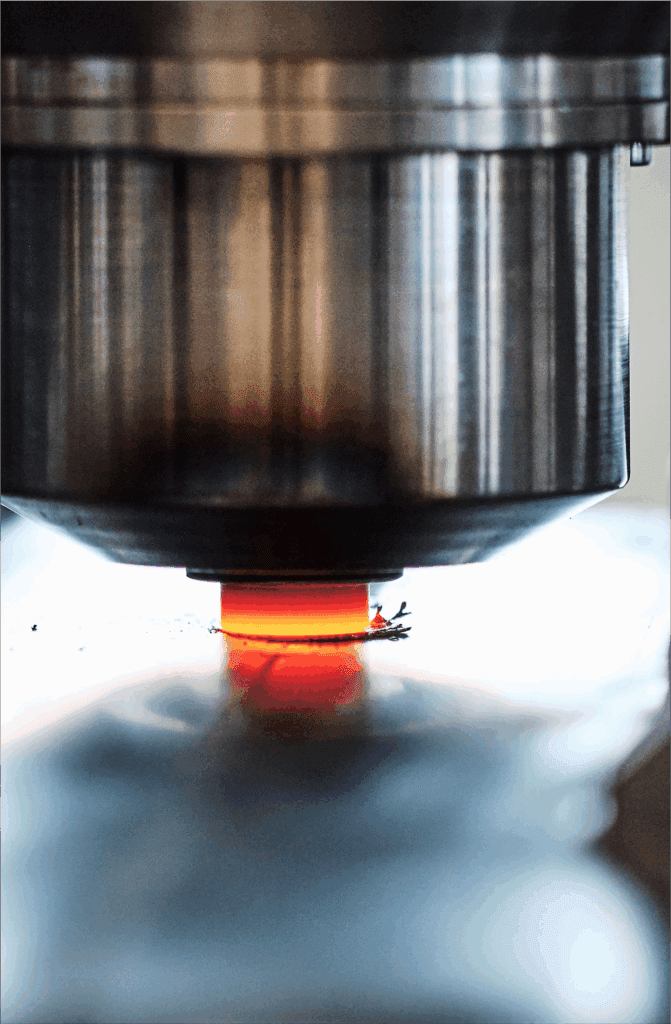
Friction Stir Welding (FSW) uses a high-speed rotating pin tool and shoulder to travel along the joint line between parent materials. The process plasticizes and stirs the materials together, creating a strong, watertight bond unlike traditional fusion welding.
What’s Available in Our Contract Manufacturing Services:
At MTI, we have partnered with STIRTEC to advance our FSW machine controls and process. Our in-house machines are available through our Contract Manufacturing facilities to support research on EV applications, aerospace components, and other advanced manufacturing needs.
Ideal for Demanding Industrial Standards
Copper friction welding can support a wide range of industrial applications where thermal conductivity, electrical performance, and joint integrity are critical.
Our Dedication to Industrial Safety and Compliance
MTI’s internationally recognized certifications, accreditations, and authority on friction welding help clients meet stringent industrial standards for quality, safety, and performance.

Explore New Horizons with Copper Friction Welding
Copper friction welding opens new possibilities for components that require thermal conductivity, electrical performance, and reliable joint integrity. At MTI, we help you evaluate what is possible through proven solid-state joining technology.
Talk to a friction welding expert today and explore how copper friction welding can expand the performance potential of your next part.