The carbon content of carbon steel makes it a high-strength, cost-effective metal for many industrial uses, particularly in construction and manufacturing. However, its high carbon content also makes it difficult to join to other metals by traditional welding methods. This is where friction welding technology comes in, opening more possibilities for dissimilar metal welding.
Check Your Material Combination & Geometry
Can Your Application Be Friction Welded?
Compatible Welds
No Matches Found
Not Seeing Your Combination Of Materials?
That doesn’t mean it can’t be done. Many of our material combinations are also proprietary. That’s why several of our customers use MTI’s in-house metallurgy lab, which will test your materials for strength and durability to see if friction welding is the right process for you.
Please note Weld strength is dependent on materials & geometry.
Joint Geometries
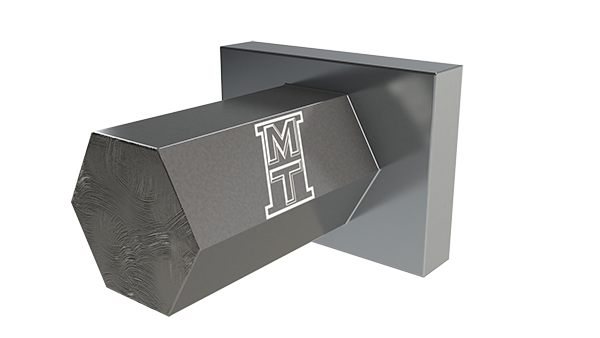
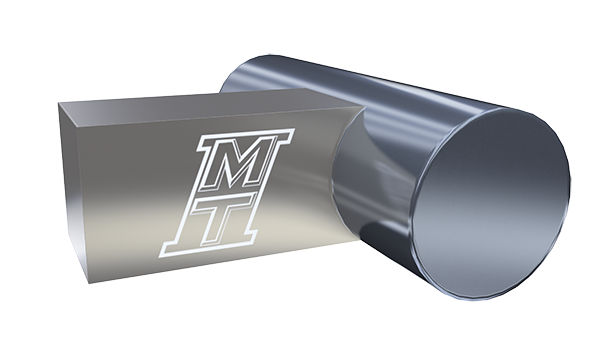
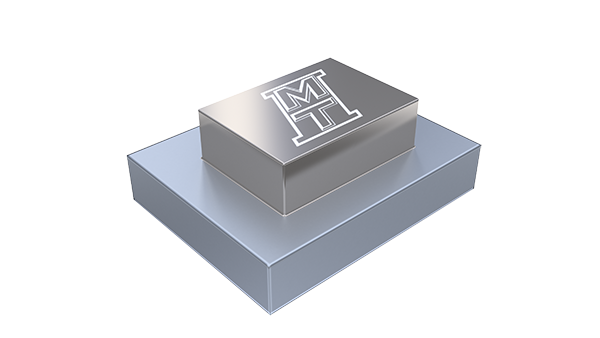
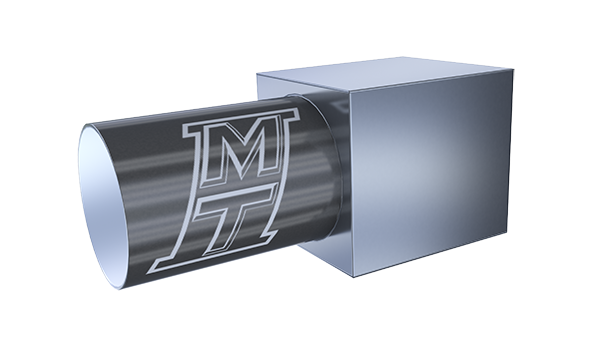
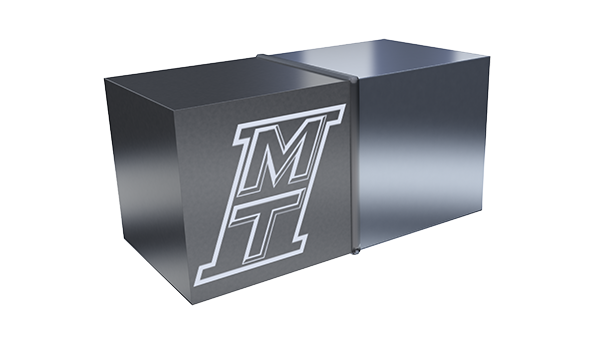
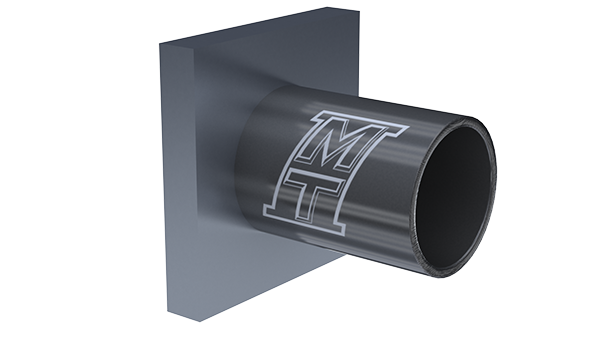
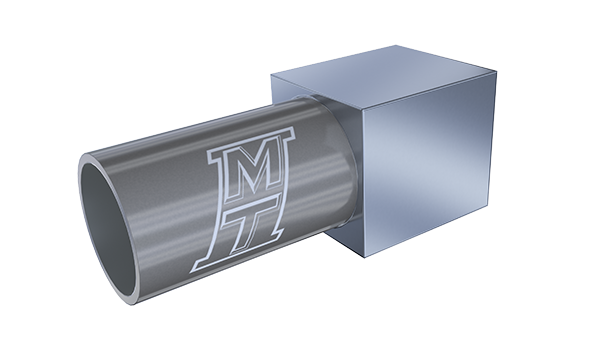
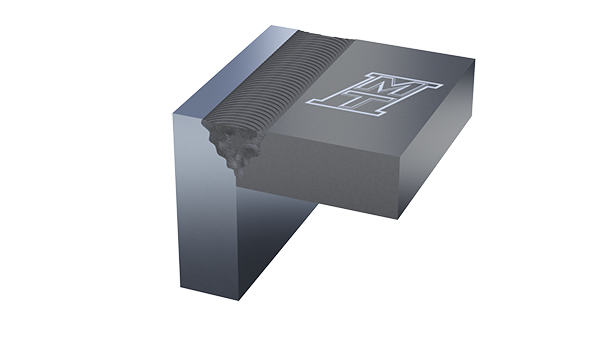
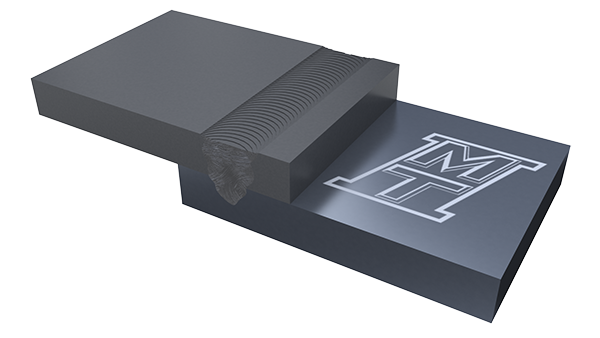
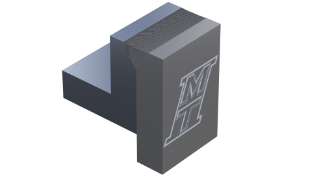
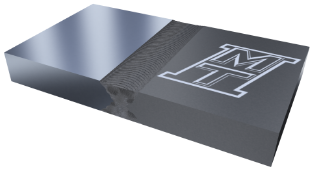
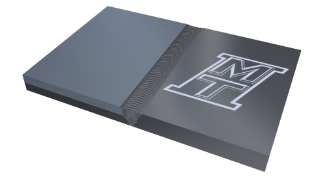
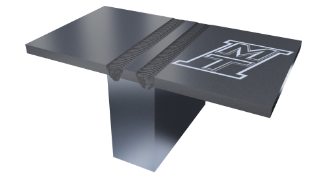
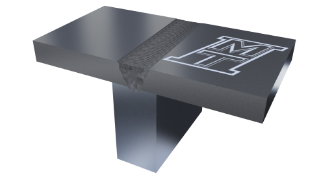
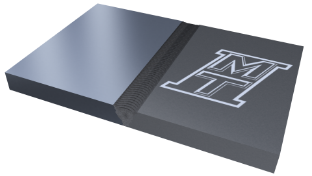
Friction Welding can join a wide range of part geometries
Bi-Metallic Friction Welding Process for Carbon Steel
Carbon steel is difficult to weld with dissimilar metals. When melted, its high carbon content increases the risk of embrittlement and warping due to rapid temperature changes.
Managing these risks often requires extra steps. Additional preheating, controlled cooling, and post-weld treatment can extend production time and add complexity to the welding process.
However, through friction welding, carbon steel can be joined with dissimilar metals. It’s a solid-state process that allows different materials to join without melting them. Because the materials are joined in a plasticized state, friction welding reduces the risks associated with melting and rapid heating and cooling rates.
Stainless Steel to Carbon Steel Friction Welding
Friction welding carbon steel to stainless steel can reduce material costs while preserving corrosion resistance and structural strength where each property is needed most. Engineers can place stainless steel in areas exposed to corrosive conditions while using carbon steel for economical structural support.
Because friction welding is a solid-state welding process, it can join stainless steel to carbon steel components without melting the parent materials. This helps limit distortion, reduce the risk of embrittlement, and produce high-integrity joints with consistent mechanical properties.
Welding stainless steel to carbon steel components includes:
Process Piping Systems: Stainless steel can be used at corrosion-prone interfaces, while carbon steel provides cost-effective structural support throughout chemical, oil, gas, and industrial piping systems.
Pressure Vessels and Storage Equipment: Carbon steel stiffeners, supports, or backing plates can be joined to stainless steel vessels and containers to balance strength, corrosion resistance, and material cost.
Heavy-Equipment Transition Joints: Bimetallic transition components can connect stainless steel and carbon steel sections in power generation, marine, nuclear, and other demanding industrial applications.
Why Use Friction Welding for Carbon Steel Applications
Friction welding carbon steel uses mechanical heat generated by friction and pressure to join materials without melting them, yielding stronger, more controlled results. Whether it’s carbon steel to carbon steel or carbon steel to another compatible material (such as stainless steel), they provide manufacturers an edge that traditional welding couldn’t.
Cost-Efficient Manufacturing: Reduce production costs and cycle times with a friction welding process that eliminates the need for filler metal and shielding gas, requires minimal joint preparation, and minimizes secondary finishing operations.
Lightweighting Opportunities: Join lighter metals to carbon steel so heavier material is used only where strength, wear resistance, or structural support is required.
Innovative Component Design: Expand your design possibilities by friction welding dissimilar metals with complementary material properties, allowing each section of the part to perform a specific function.
Stronger, Longer-Lasting Components: Bimetallic friction welding combines metals with complementary properties, helping manufacturers improve strength, wear resistance, corrosion performance, and overall service life within a single part.
Friction Welding Technologies
Friction welding is performed by machines using different technologies.
Rotary Friction Welding
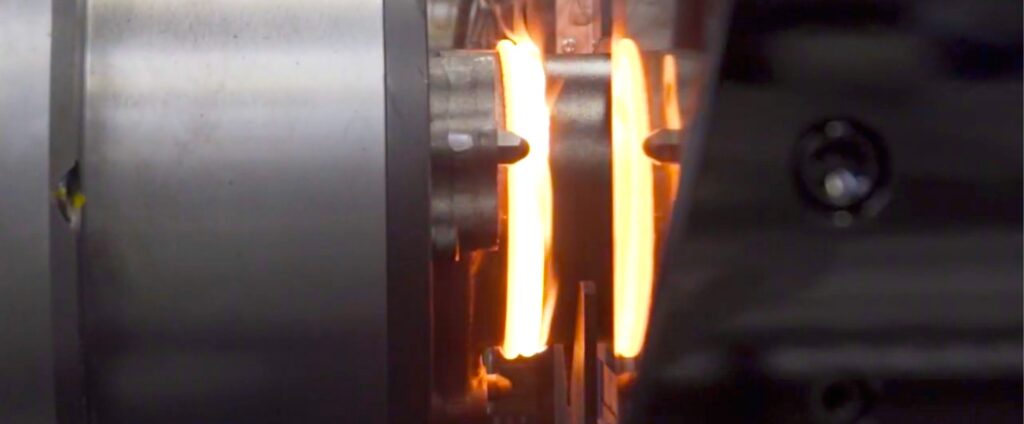
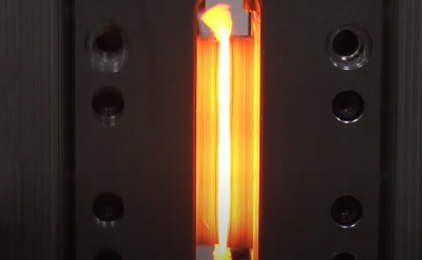
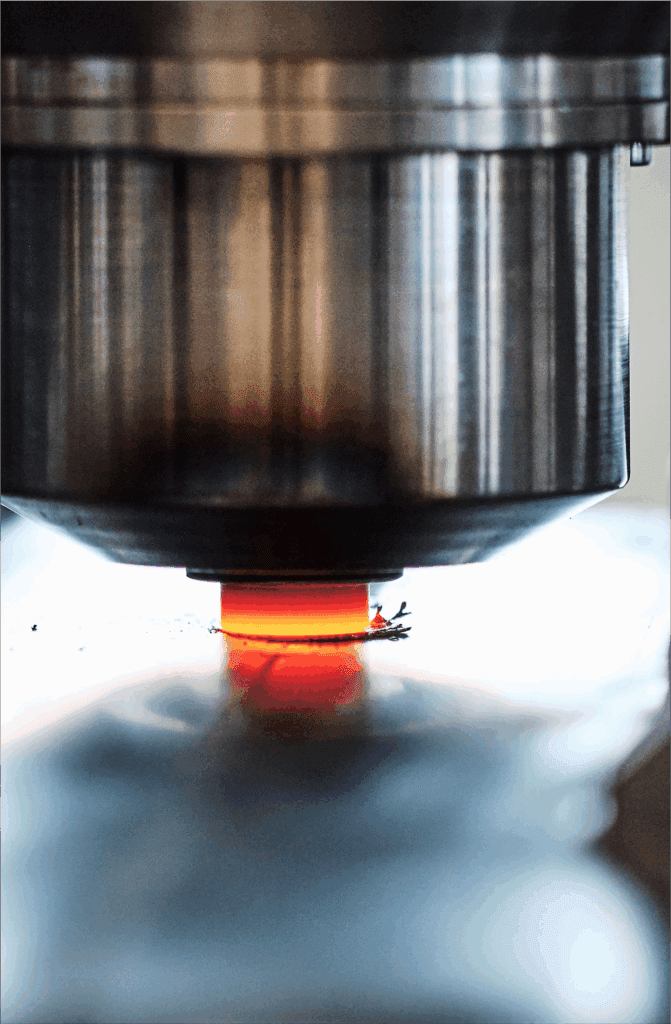
Rotary Friction Welding (RFW) is a solid-state welding process that rotates one component at high speed against a stationary component. The resulting friction generates heat at the joint interface, while controlled pressure completes the weld without melting the parent materials.
Try It Today:
MTI’s Contract Manufacturing facilities operate more than 15 in-house rotary friction welding machines, including one of the world’s largest inertia-controlled friction welders. This extensive capacity allows our global teams to support projects ranging from development and prototyping to high-volume manufacturing.
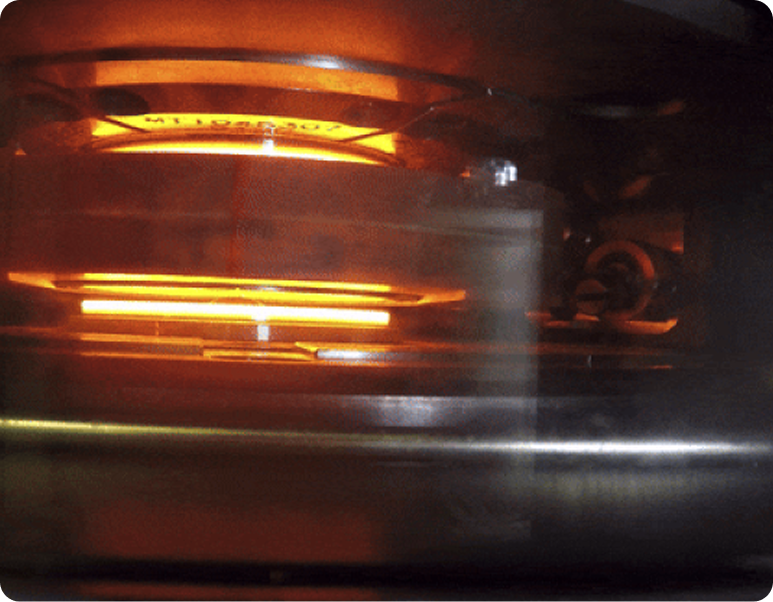
Low Force Friction Welding utilizes biased heating for parent materials with different yield strengths during elevated temperatures. It controls the cooling rate to prevent brittle martensite formation in hardenable steels. Additionally, Low Force Friction Welding can eliminate flash removal and minimize other downstream processes.
Try It Today:
MTI’s Weld Development 2.0 services allow you to evaluate your application using both traditional and Low Force Friction Welding. Comparing the two processes helps identify the most effective welding approach for your materials, component geometry, mechanical-property requirements, and manufacturing goals.
Linear Friction Welding (LFW) is a solid-state welding process that joins two components by moving one parent material in a controlled linear motion against a stationary component. Friction generates heat at the joint interface, while axial pressure forms a high-integrity weld without melting the base materials.
Try It Today:
Through MTI’s Contract Manufacturing services, you can access one of the world’s largest Linear Friction welding machines. This advanced capacity enables the development and production of full-scale components for aerospace, energy, manufacturing, and other high-performance applications.
Friction Stir Welding (FSW) is a solid-state welding process that uses a rotating pin tool to generate frictional heat along the joint line between two carbon steel components or between carbon steel and a compatible dissimilar metal. As the tool travels along the weld seam, it softens and mechanically stirs the materials together without melting them. Friction Stir Welding of a high carbon steel allows the material to form a strong, watertight joint without warping or cracking.
Try It Today:
MTI’s contract manufacturing services provide access to advanced FSW equipment, process development expertise, and production capabilities. Through our partnership with STIRTEC, MTI combines proven manufacturing and machine expertise with advanced FSW process technology and application development capabilities, helping customers accelerate the path from concept to production.
Reduce Risk With MTI Contract Manufacturing Services from Concept to Completion
Whether you’re designing a part or a carbon steel friction welder, MTI’s Contract Manufacturing services provide the expertise, technology, and support to move your project forward with confidence. Our integrated capabilities include:
In-house friction welding machines for prototype through production volumes
Weld development support to optimize process parameters and validate performance
Pre-weld services including engineering consultation, material evaluation, and joint design
Post-weld manufacturing capabilities for machining, finishing, inspection, and assembly
From material selection to full-scale production, MTI’s friction welding experts work alongside your engineering team to evaluate carbon steel and dissimilar material combinations, refine your welding process, and deliver reliable, high-performance components.
Learn more about our Rotary friction Contract Welding services
MTI Client Testimonials
MTI had such a strong command and understanding of the specific problems that needed to be solved, and proved to be a valuable partner we could rely on.
-Emmett Hassen, Sr. Manager, Supply Chain Program Management Rivian
Explore Sample Parts and Geometries
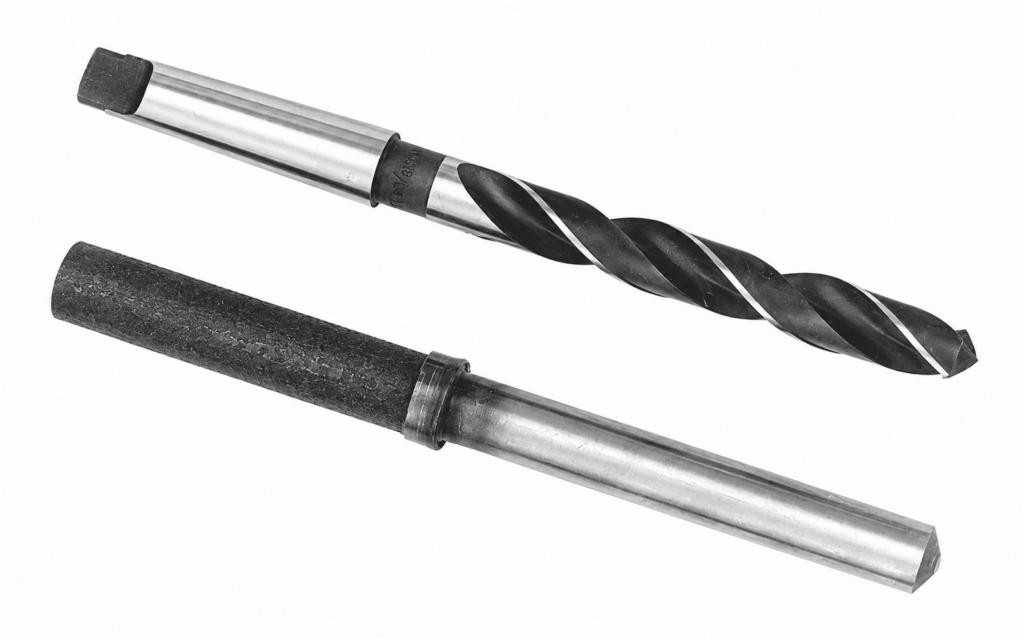
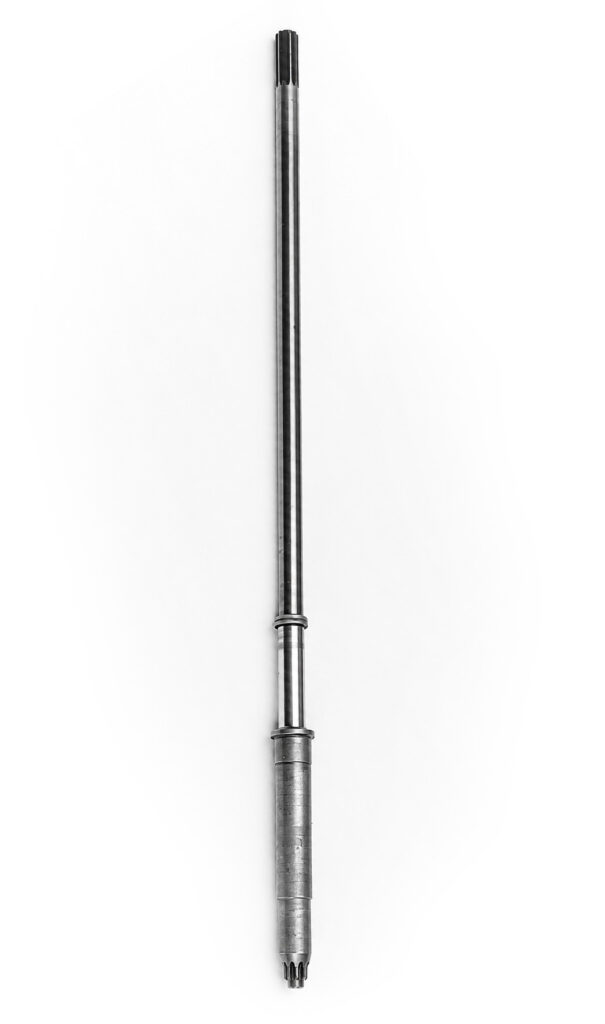
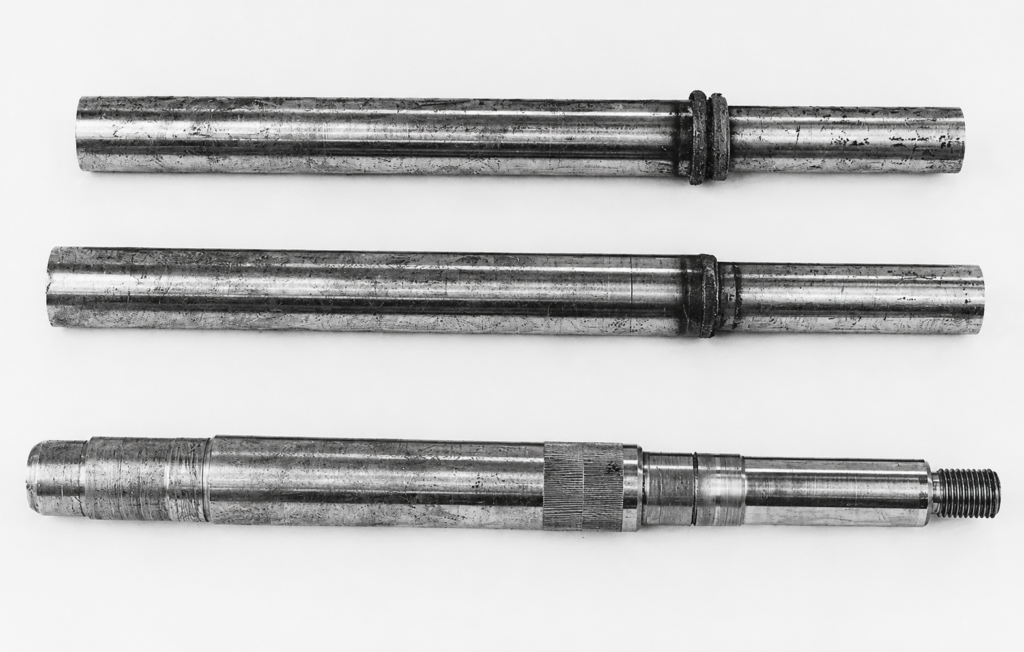
Review MTI’s catalog of bimetallic sample parts to explore proven geometry options for carbon steel friction welding. These examples can help you evaluate material combinations, joint configurations, and component designs for improved manufacturability, mechanical performance, and production efficiency.
The advantages of carbon steel friction welding have made it a preferred manufacturing solution across a wide range of industries.
By enabling high-integrity, solid-state joints and the efficient joining of carbon steel with similar or dissimilar materials, this welding process helps manufacturers improve component performance, reliability, and production efficiency.
Our Dedication to Match and Excel Industrial Standards
When your carbon steel friction welding projects require rigorous safety, quality control, and process consistency, MTI’s internationally recognized certifications and accreditations help support compliance with demanding industry requirements.
Our quality systems, engineering expertise, and controlled manufacturing processes are designed to produce high-integrity joints and reliable, high-performing components for critical applications.
Get Project Results with Carbon Steel Friction Welding
Expand what is possible with carbon steel friction welding. By joining carbon steel with compatible metals, whether similar or dissimilar, MTI can help you combine complementary material properties, improve component performance, and streamline manufacturing.
Partner with our friction welding experts today to develop stronger, more efficient machines, structures, and equipment for demanding applications.